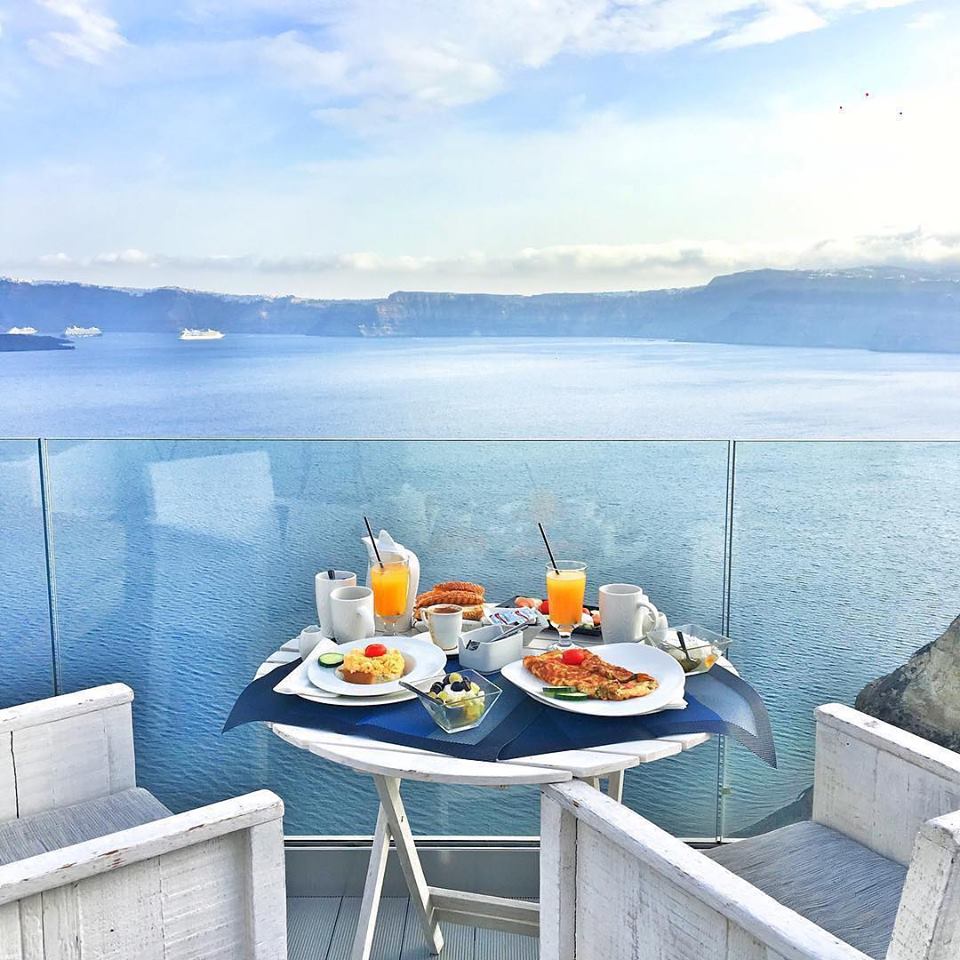
Greece and Croatia offer very different island journeys within the Mediterranean. The Greek Cyclades are defined by dry landscapes, white settlements and frequent ferry connections; the Croatian Adriatic combines wooded islands, stone towns and a coastline suited to slower boat routes.
The Greek islands
Santorini is known for caldera views and the sunset from Oia. Staying in Akrotiri provides a quieter base on the southern side of the island, while Fira is more practical for transport, restaurants and evening activity.
Beyond Santorini, Mykonos, Paros, Folegandros and Delos each have a distinct purpose. Paros balances villages and beaches, Folegandros has a smaller and steeper landscape, and Delos is primarily an archaeological destination. Ferry schedules determine what can sensibly be combined.
The Croatian islands
Krk is connected to the mainland by bridge and works well for a road trip; see the complete Krk itinerary. Farther south, Hvar, Rab and Korčula are naturally combined by ferry or a small-ship route.
Hvar Town climbs from its harbour towards a fortress with broad views over the nearby islands. Rab is greener and surrounded by small coves, while Korčula’s walled town has a dense medieval street plan.
Dubrovnik and Šibenik are coastal cities rather than islands, but both can anchor an Adriatic route through fortified architecture and active harbours.
Whichever country you choose, avoid building an itinerary around too many short stops. Ferry frequency, wind and seasonal opening times make fewer islands and longer stays the more reliable option.