Dresden stands on the River Elbe in Saxony. Its centre combines reconstructed Baroque architecture, major art collections and broad riverside spaces, while Neustadt introduces a more informal mix of residential streets and independent venues.
I visited in collaboration with Dresden Tourism and stayed close to Neumarkt, a convenient position for exploring the Old Town on foot.
Day one: the historic centre
The Frauenkirche is Dresden’s most recognisable landmark. Built in the eighteenth century, destroyed in February 1945 and reconstructed after German reunification, it now anchors the restored Neumarkt.
Nearby, the Semperoper dominates Theaterplatz. The opera house has been rebuilt more than once following fire and wartime destruction; its interiors are worth seeing on a guided visit or during a performance.
Day two: museums and the Zwinger
Brühl’s Terrace follows one of the most monumental stretches of the Elbe and connects the Academy of Fine Arts, the Albertinum and entrances to the historic fortifications. From here, the Royal Palace and the Zwinger are a short walk away.
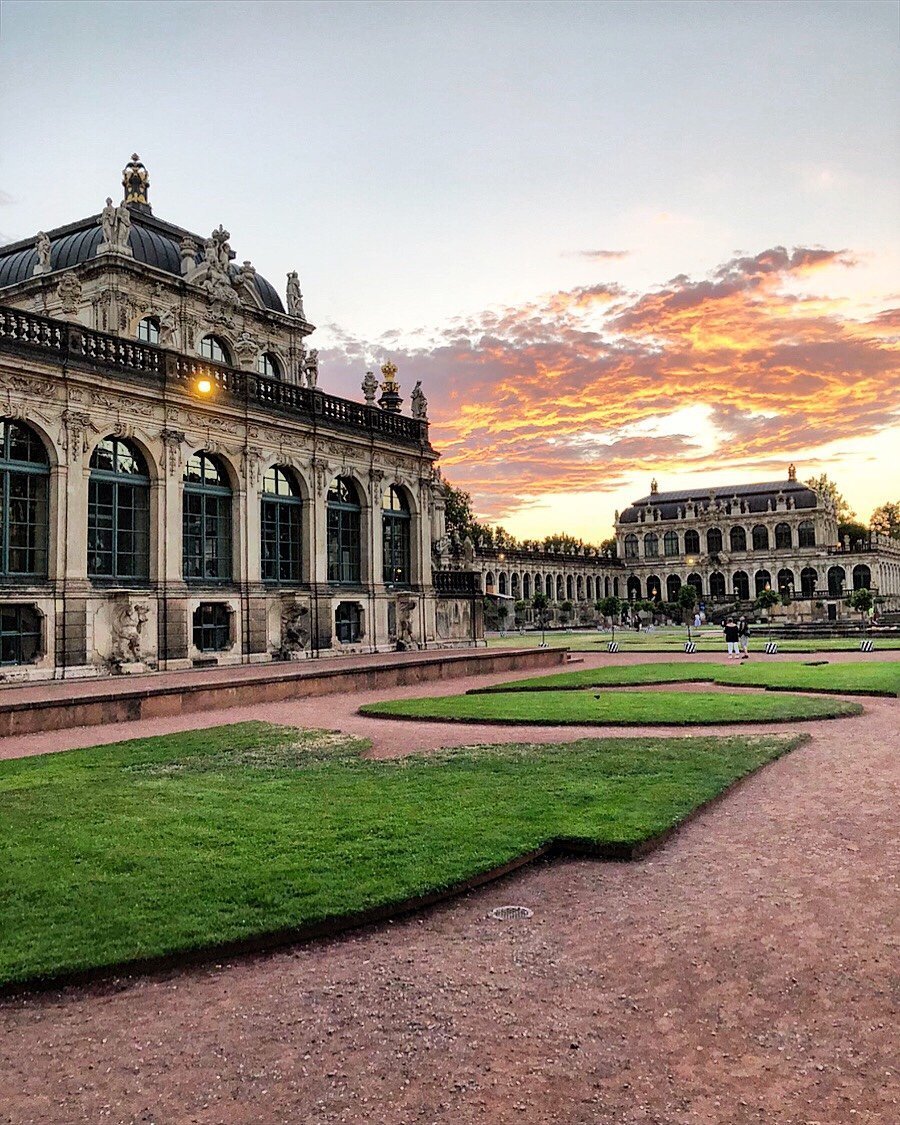
The Royal Palace houses several major collections, including the Historic Green Vault. Opposite, the Zwinger brings together late-Baroque architecture, sculpture, courtyards and museums in one complex.
Day three: Pillnitz and a view from above
Pillnitz Palace lies east of the centre beside the Elbe. Its gardens and riverside setting once formed a summer residence for the Saxon court and make a useful half-day excursion from Dresden.
Back in the centre, climbing to the dome of the Frauenkirche provides a broad view across the reconstructed Old Town and towards the river.
I reached Dresden by rail using an Interrail pass, continuing from Prague. The city works well as part of a longer train journey through Central Europe, with Paris and London also covered elsewhere in the journal.
This trip was organised in collaboration with Dresden Tourism. The account and opinions remain my own.