Stockholm was a city I had imagined visiting in summer, but autumn gave it a different character. The lower light, cool air and warm colours suited its water, stone streets and restrained Scandinavian architecture.
I arrived at Stockholm Skavsta Airport in the evening and continued to the centre by coach. Walking to the hotel, the capital felt unexpectedly quiet.
Day one: Norrmalm and Gamla Stan
I stayed at Nobis Hotel on Norrmalmstorg. Its contemporary Scandinavian interiors and central position made it a useful base for exploring on foot.
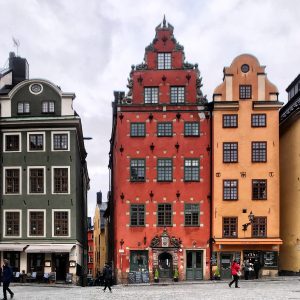
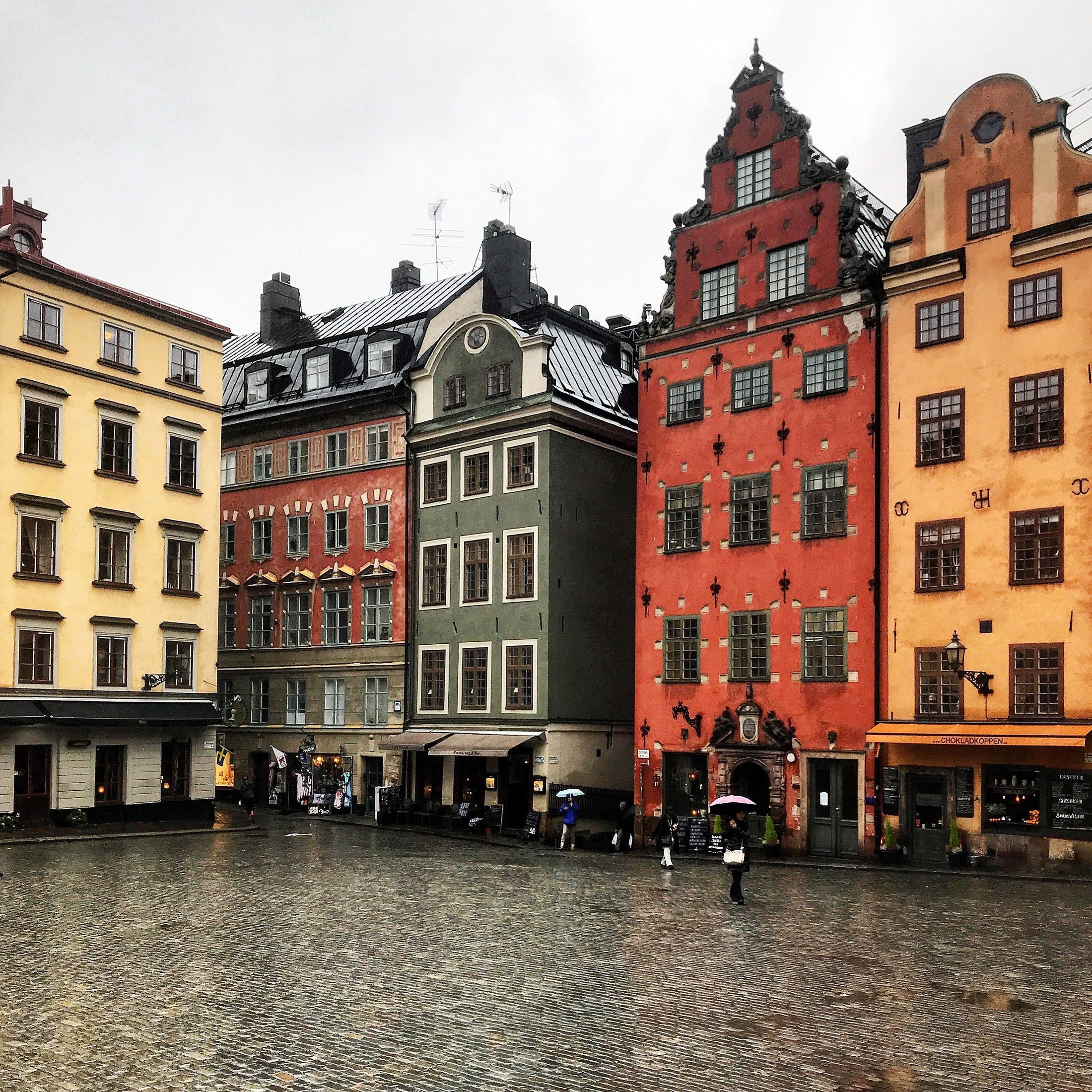
The afternoon was dedicated to Gamla Stan, Stockholm’s old town. Rust-coloured façades, narrow cobbled lanes, cafés and small shops fill Stadsholmen and the surrounding islets. Stortorget is the central square and a good point from which to move deeper into the district.
The Royal Palace stands at the edge of the old town. If the timing works, the changing of the guard adds ceremony to a walk through an otherwise compact and approachable centre.
Day two: metro art and Skansen
A rainy morning offered a reason to explore Stockholm underground. Many metro stations have been designed as individual artworks, with colour, sculpture and exposed rock turning the transport network into a public gallery.
When the weather cleared, I continued to Skansen. The open-air museum brings together historic buildings and farmsteads from across Sweden, offering a clear introduction to traditional architecture and everyday life. The site also includes Nordic animals and seasonal events.
Södermalm and a city view
Södermalm has cafés, restaurants and vintage shops, but it is also worth visiting for its viewpoints. Ivar Los Park overlooks the water towards City Hall, Kungsholmen and Gamla Stan. It is a simple place to pause after walking through the city.
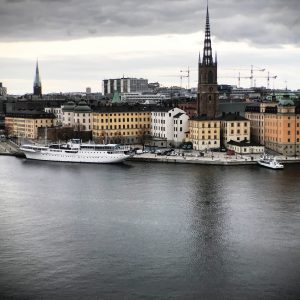
Stockholm balances visible history with contemporary design and infrastructure. That contrast recalled Copenhagen, although Stockholm’s islands and broad stretches of water give it a character of its own.