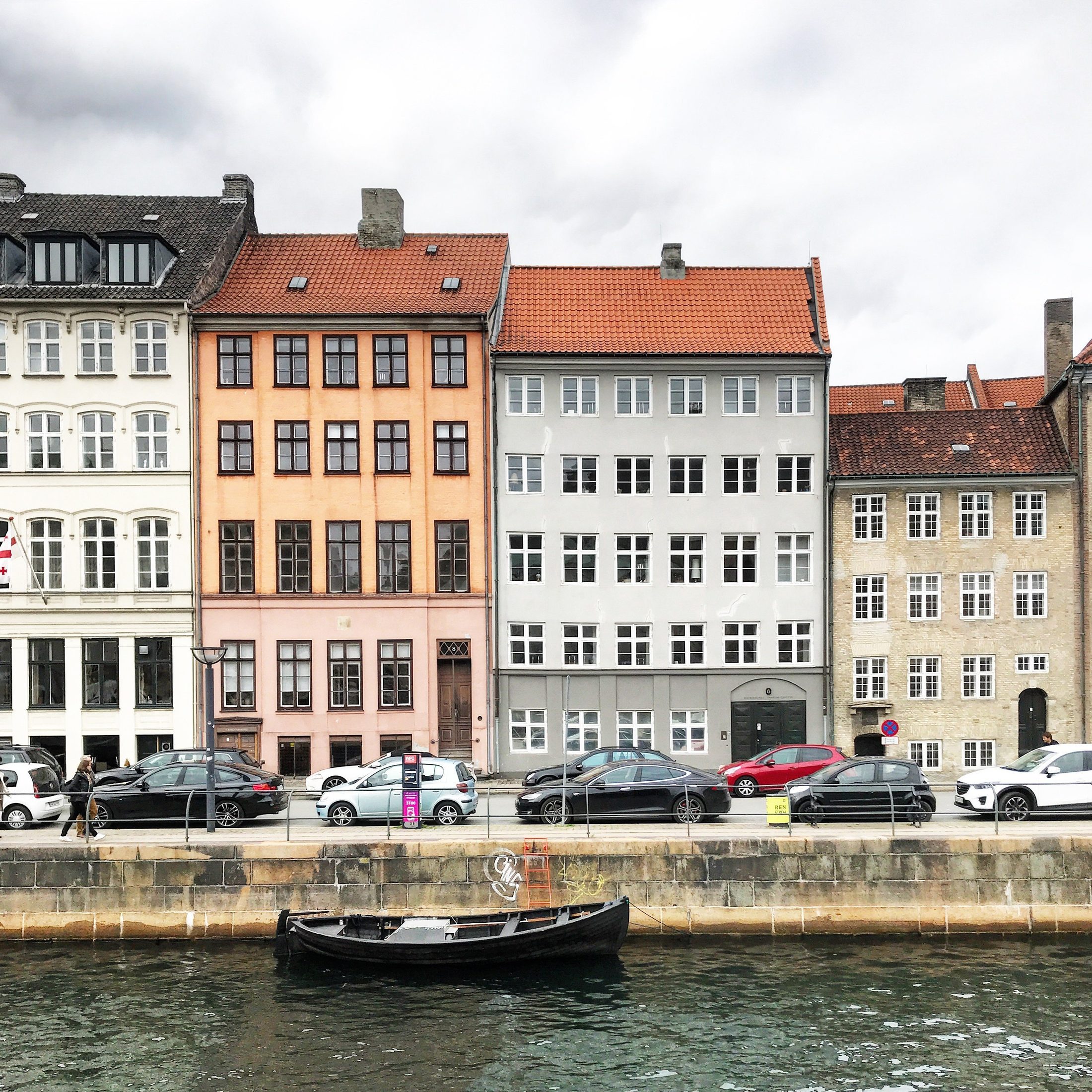
Copenhagen is often described through bicycles, design and the Danish idea of hygge. Those references make more sense once you experience the city’s scale: transport is efficient, the centre feels calm for a capital and cycling is part of everyday movement rather than a visitor attraction.
Day one: Nyhavn and the centre
I visited Copenhagen at the invitation of Visit Denmark. The airport’s direct metro connection made the arrival unusually simple, and within a short time I was walking through the centre.
My first stop was Nyhavn at sunset. Colourful façades and historic boats line the canal, with restaurants and street musicians creating a lively atmosphere. It is one of Copenhagen’s busiest views, but the changing evening light still makes it worth seeing.
Day two: Copenhagen by bicycle
The following morning I rented a bicycle and explored without a rigid route. Copenhagen’s cycle lanes are extensive and clearly used by people going about their day, so it is important to signal, keep right and pay attention at junctions.
Torvehallerne was our first stop. The covered market brings together fresh produce, fish, meat, coffee, baked goods and small counters for a quick meal.
From there, the route connected several very different parts of the city:
- Strøget, the long pedestrian axis through the centre, lined with shops ranging from everyday chains to international design brands.
- Sluseholmen, a waterfront district in the South Harbour, known for contemporary housing and its harbour bath.
- Rundetaarn, the seventeenth-century Round Tower and Europe’s oldest functioning observatory.
- Superkilen, a public space in Nørrebro shaped by objects and references from many countries.
- Nørrebro, one of Copenhagen’s most diverse neighbourhoods, with cafés, independent shops and busy residential streets.
Day three: Glyptotek and Amalienborg
On the final day I chose two places that offered a slower rhythm. The Ny Carlsberg Glyptotek combines ancient and modern art with an impressive winter garden at its centre. The café sits among palms and glass, making the building a comfortable place to spend several hours rather than rush between galleries.
Later, I visited Amalienborg, the royal residence. The four palaces frame a large square where the changing of the guard takes place. The museum provides an introduction to the Danish monarchy and the interiors used by previous generations of the royal family.
Copenhagen’s hot-dog stands
Hot-dog stands have been part of Copenhagen street life for decades. They are not elaborate, but they offer a quick and distinctly local meal: sausages are usually served with mustard, ketchup, raw and fried onions, pickles and bread. Trying one between stops fits naturally into a day spent cycling around the city.
Further planning information is available from Visit Denmark.
This trip was organised in collaboration with Visit Denmark. The account and opinions remain my own.