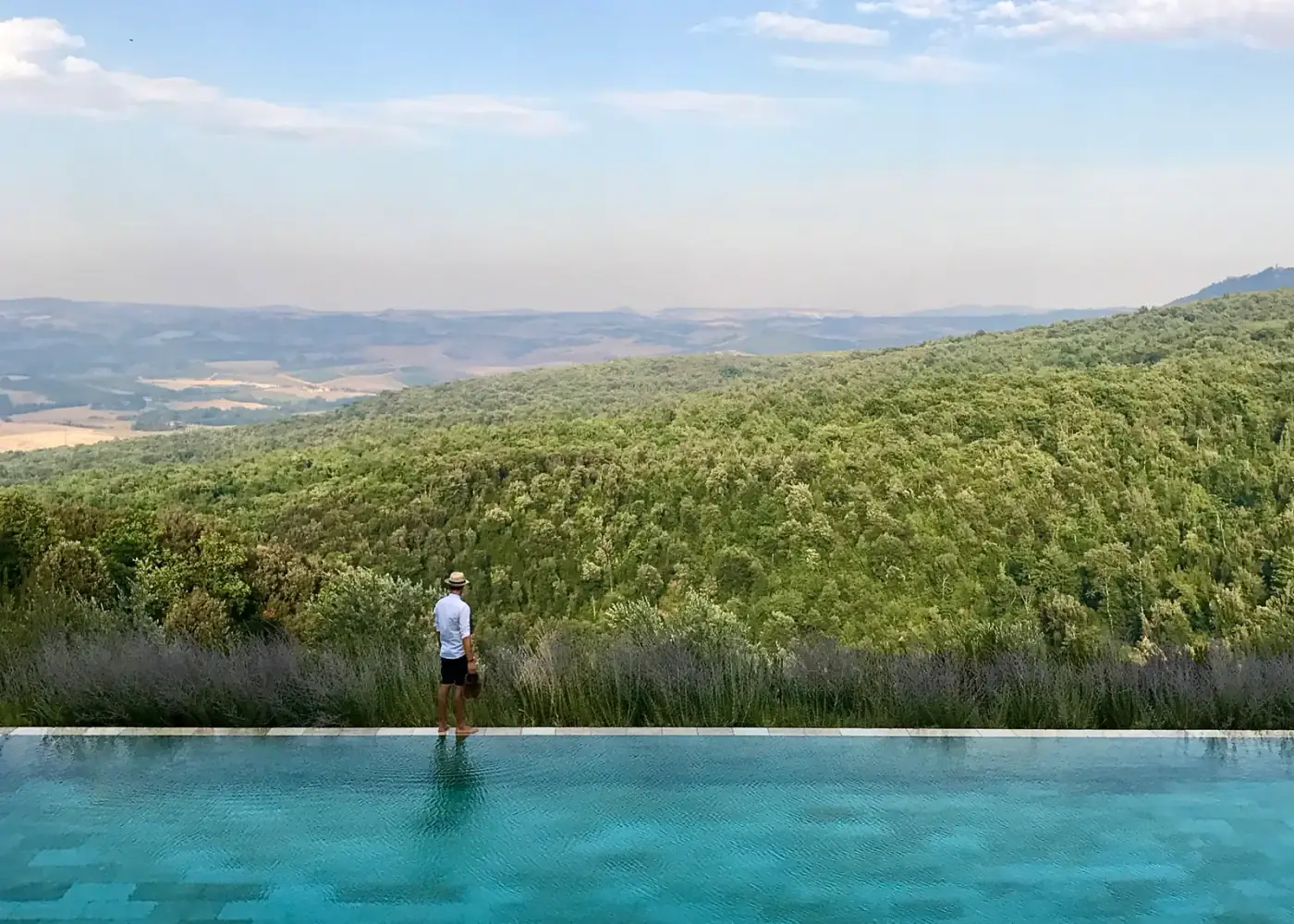
Some properties seem entirely at home in their landscape. Rosewood Castiglion del Bosco is one of them: a historic estate surrounded by the hills, vineyards and woodland of the Val d’Orcia, in the countryside near Montalcino.
We spent a day moving through its different settings. We explored the medieval borgo, visited the gardens and kitchen garden, stopped for lunch and continued to the winery, where the identity of the estate is closely linked to Brunello di Montalcino.
The medieval borgo
A cypress-lined road leads towards a village built in local stone. Its courtyards, passages, church and castle ruins retain a strong sense of history. Contemporary hospitality has been introduced with restraint, allowing the original architecture to remain central.
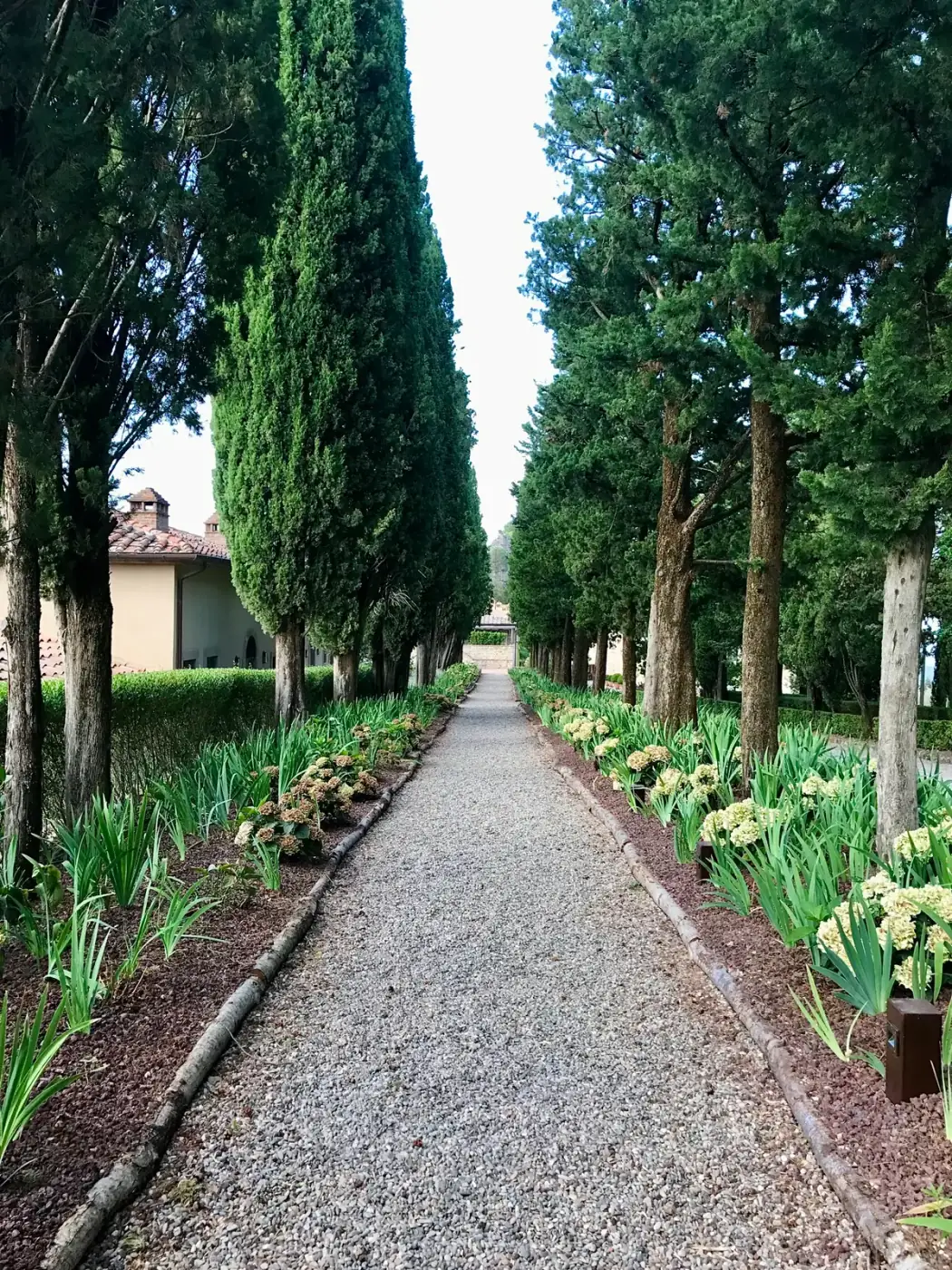
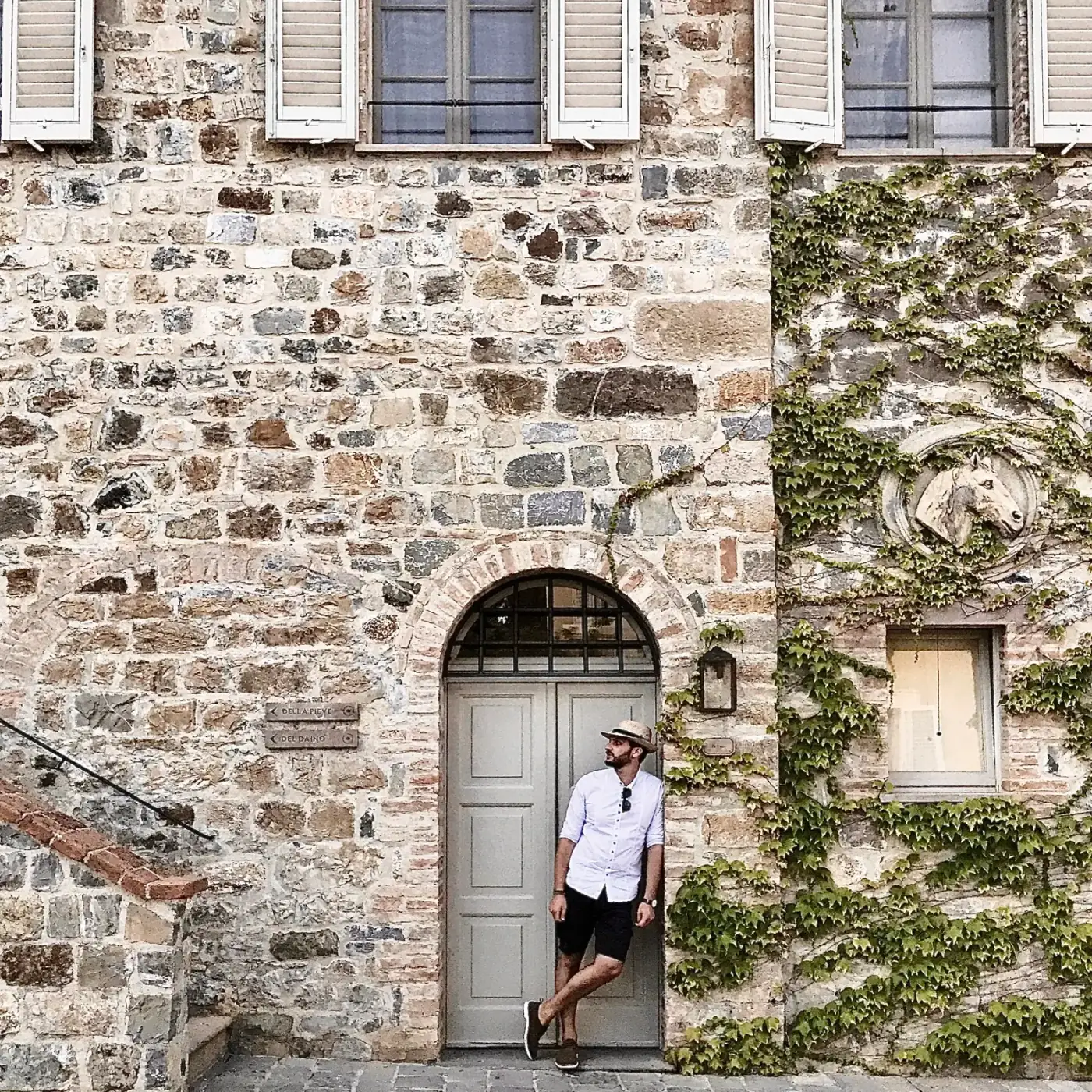
As you walk through the village, the view repeatedly opens towards the hills—through an archway, beyond a wall or at the end of a narrow lane. Architecture and landscape are in constant dialogue.
Gardens and kitchen garden
The estate’s kitchen garden makes its relationship with the surrounding land tangible. Aromatic herbs and seasonal vegetables grow close to the borgo and become part of the culinary experience.
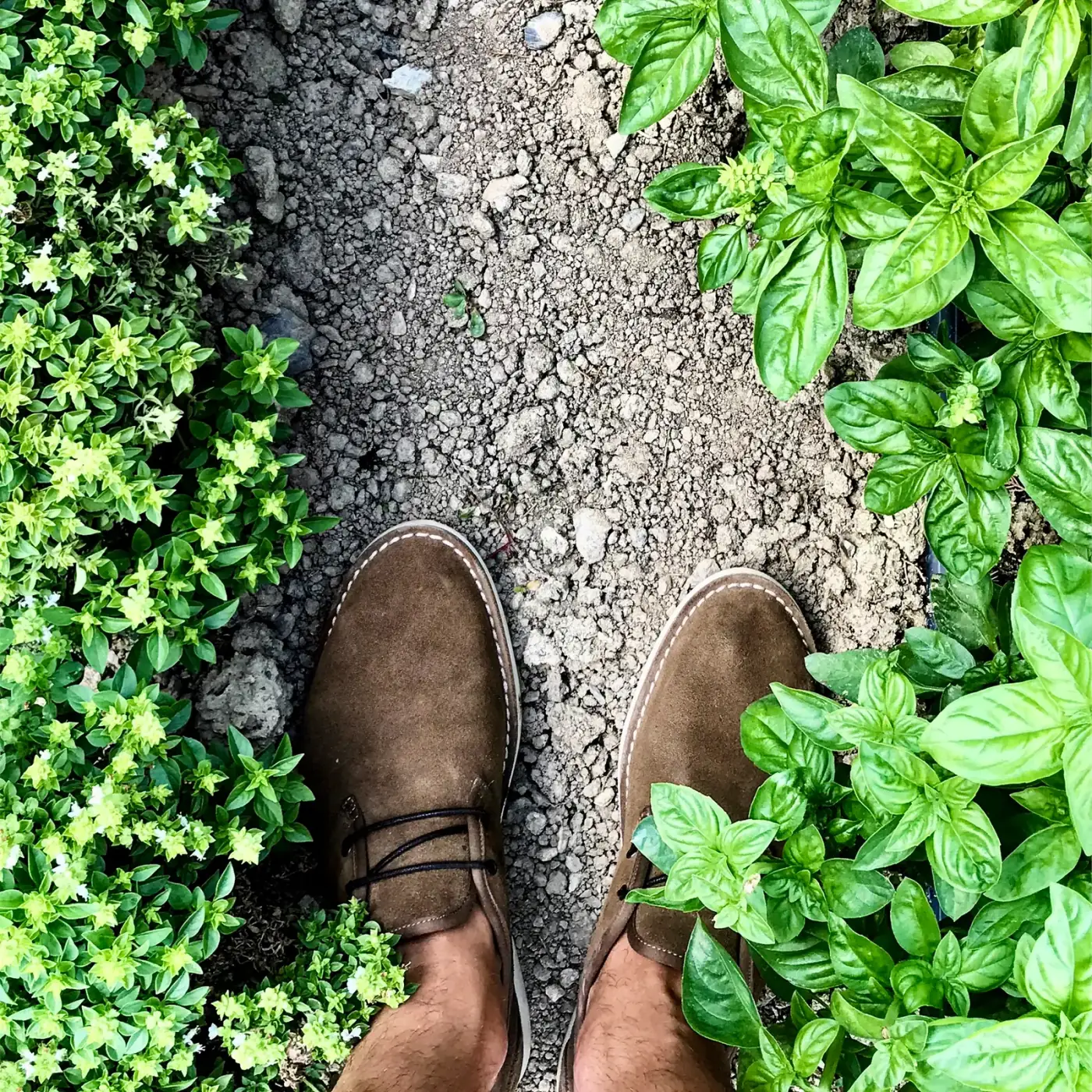
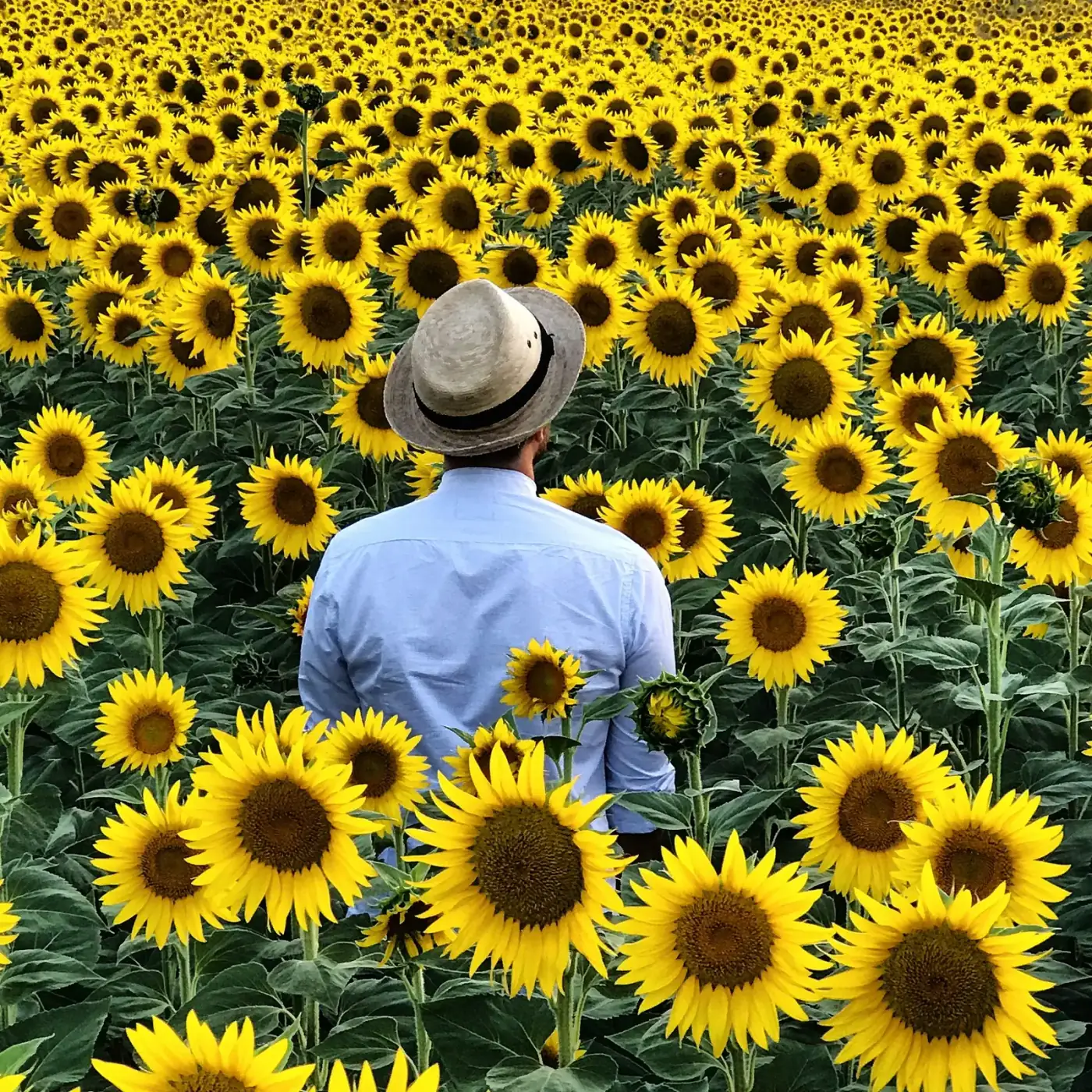
Walking among the plants makes the connection between garden and table immediate. Here, the landscape is not only something to admire; it is cultivated, cooked and shared.
Lunch at the estate
Lunch reflected the warmth and colour of Tuscany: hand-painted ceramics, rustic bread, fresh vegetables and local wine. The ingredients echoed what we had just seen in the kitchen garden, while the relaxed presentation felt generous rather than overly formal.
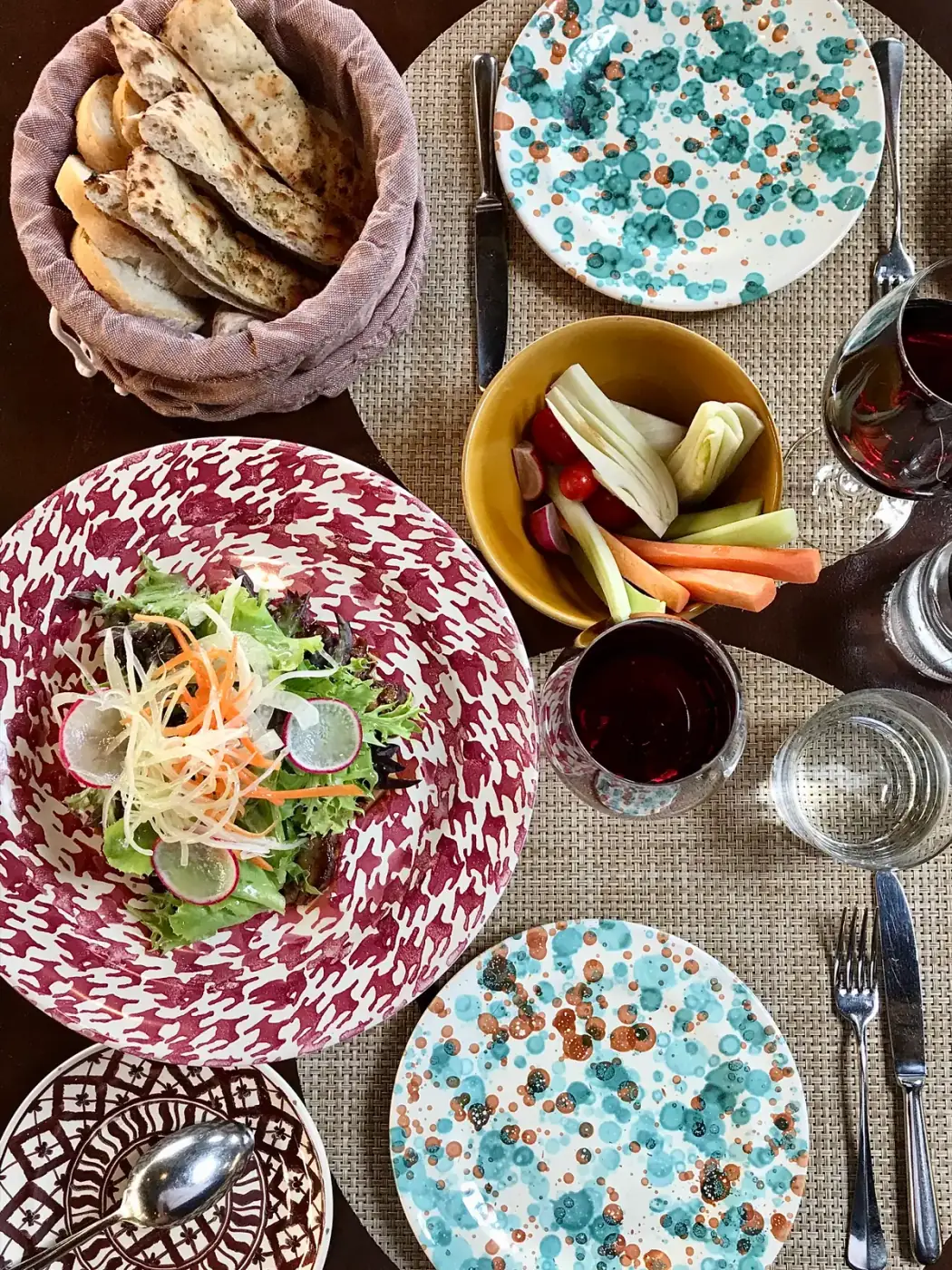
Food offers a direct way to understand this part of Tuscany. At Castiglion del Bosco, seasonal ingredients and regional traditions are present in both refined dining and more informal interpretations of local cooking.
Visiting the winery
Wine is fundamental to the estate, which lies within the Brunello di Montalcino production area. Its vineyards are planted with Sangiovese, the grape used to produce Brunello.
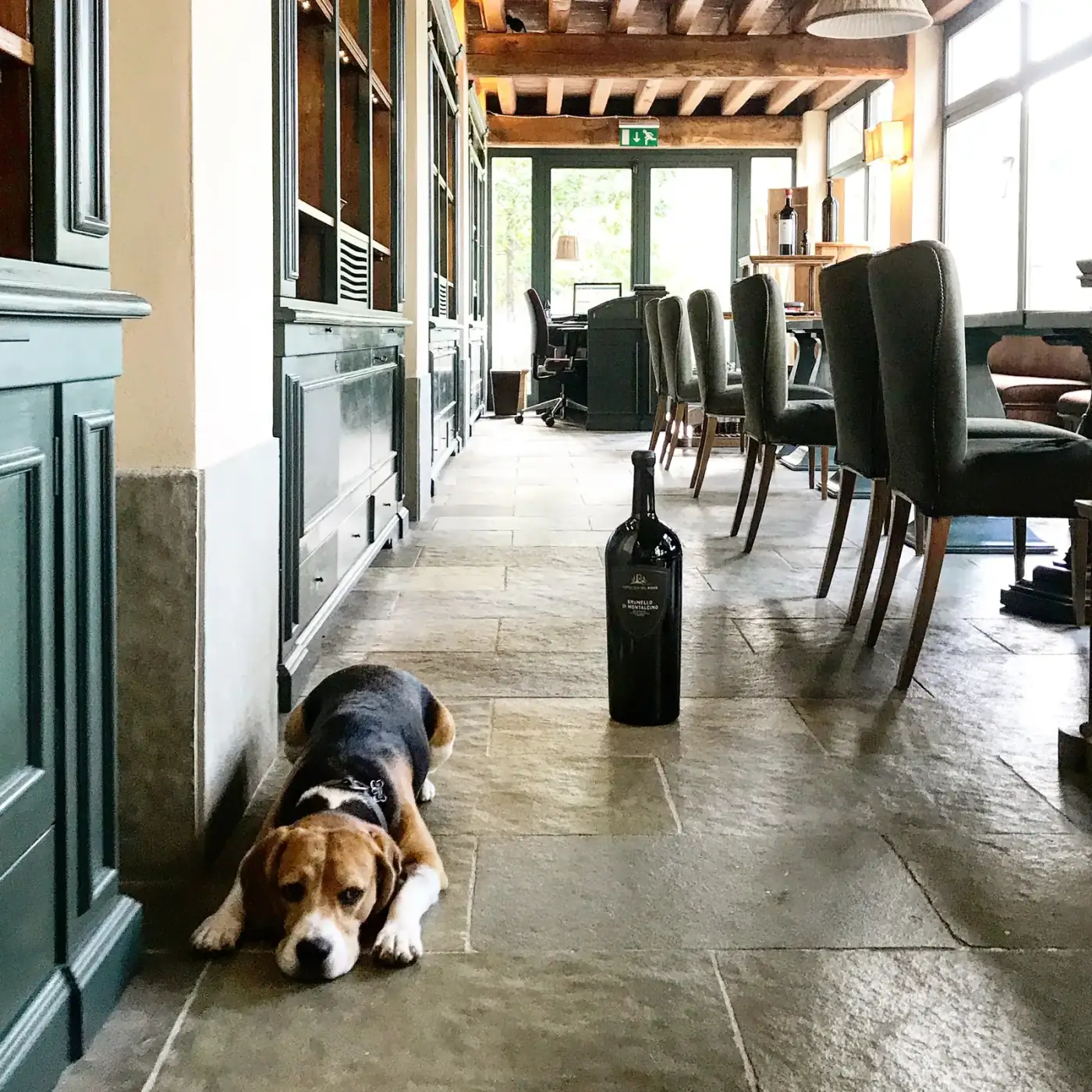
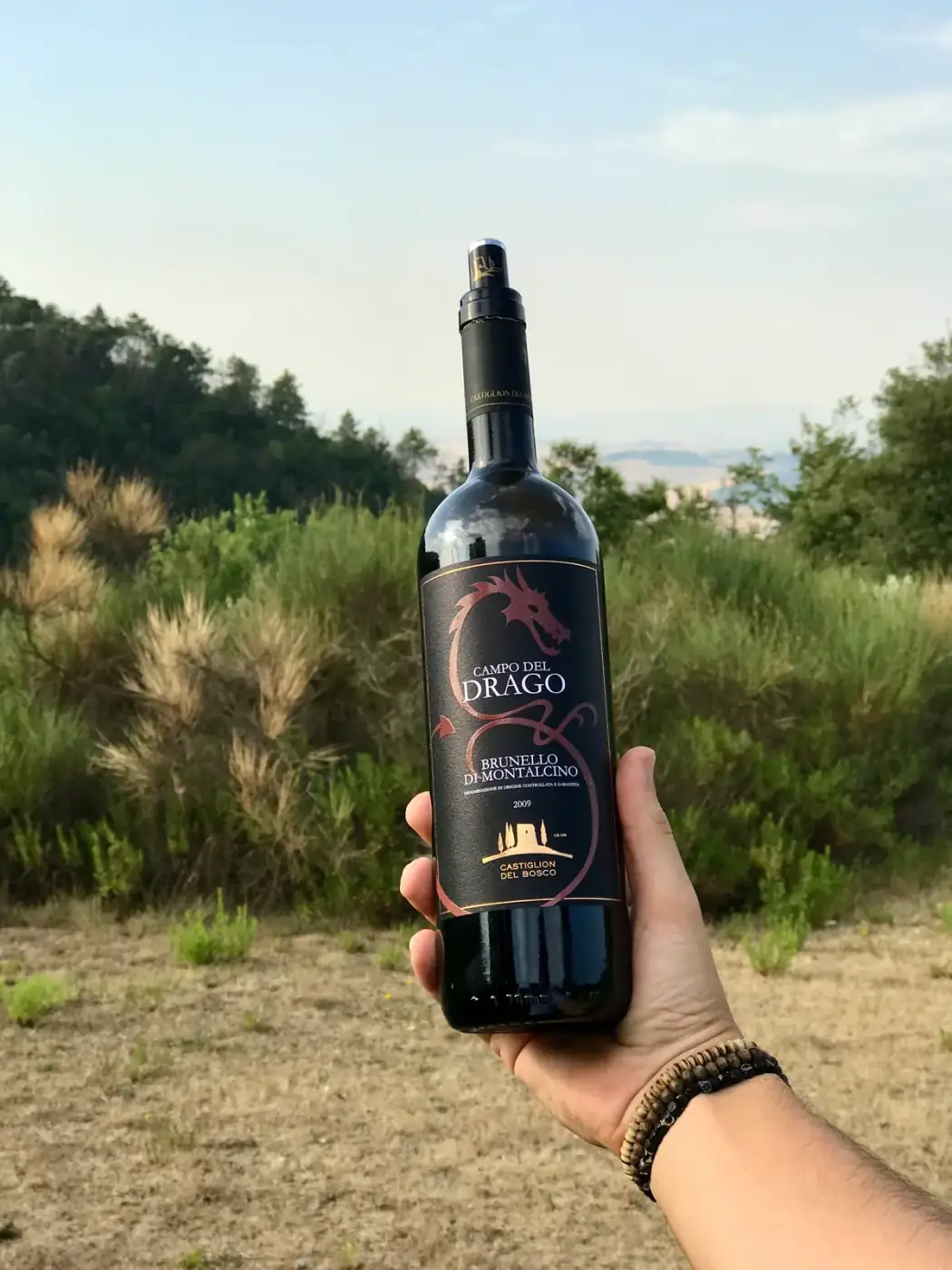
The visit connected the wine with its place of origin: the hills, soil, vineyard work and time spent in the cellar. Tasting Campo del Drago within this landscape gave the bottle a clearer context.
The view across the Val d’Orcia
Before leaving, we returned to the view across the wooded hills. The infinity pool draws the eye towards the wide horizon without competing with it.
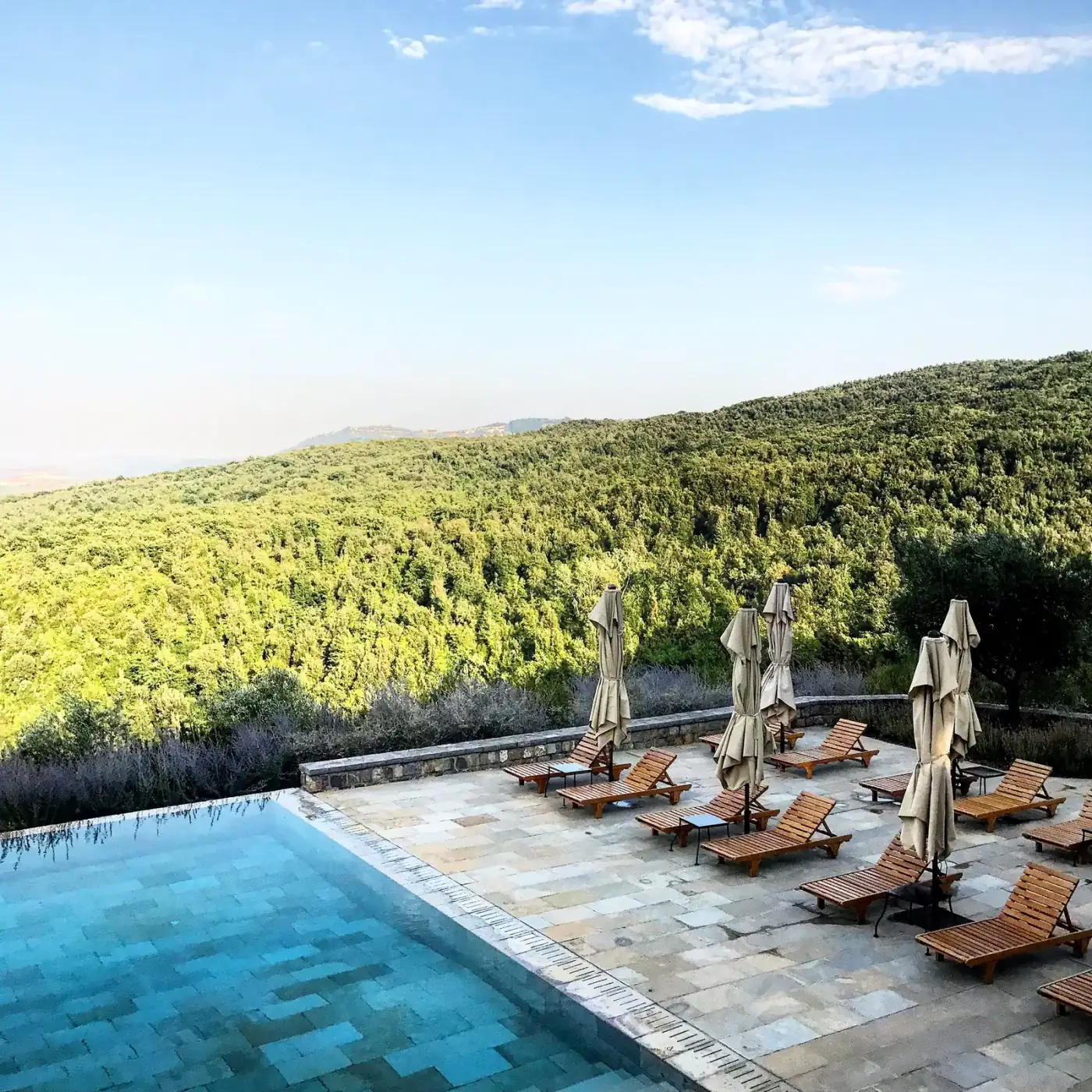
Our day at Rosewood Castiglion del Bosco became a complete story: medieval stone, cultivated land, seasonal food, Brunello and the Val d’Orcia landscape. Its most convincing quality is this strong sense of place.
Find current information on the official Rosewood Castiglion del Bosco website.
This article was created in collaboration with Rosewood Castiglion del Bosco. All opinions and photographs are our own.