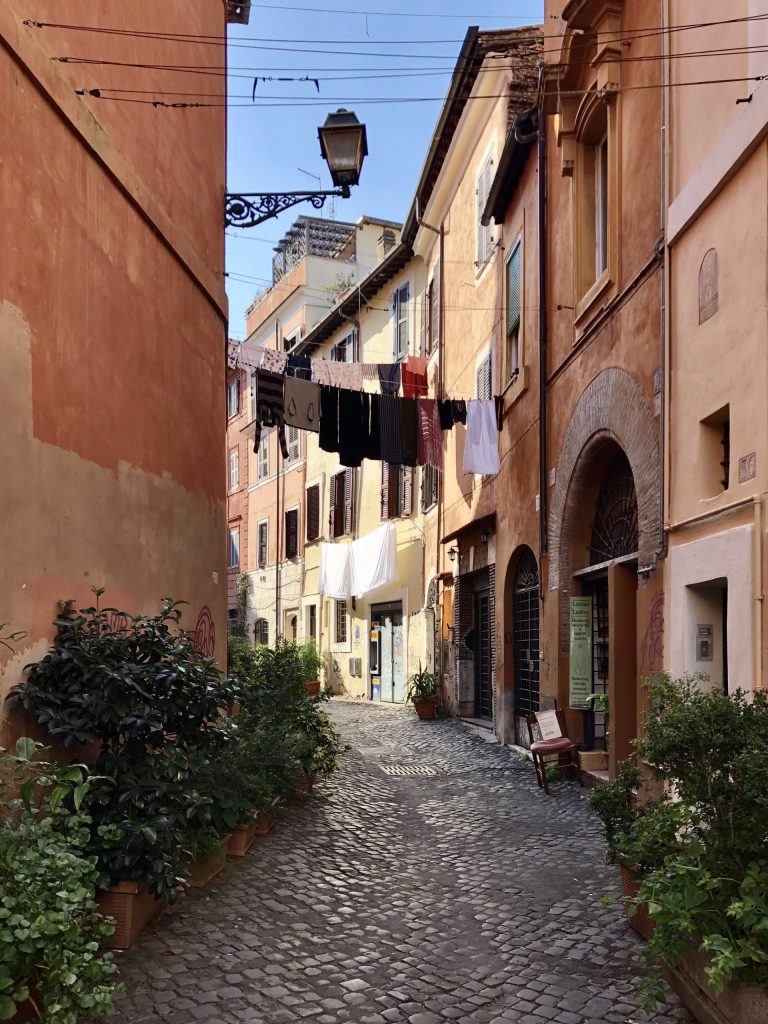
Rome’s most photographed places are also among its busiest. Early mornings help, but the city becomes more interesting when monuments are connected through neighbourhood streets, food and ordinary daily movement.
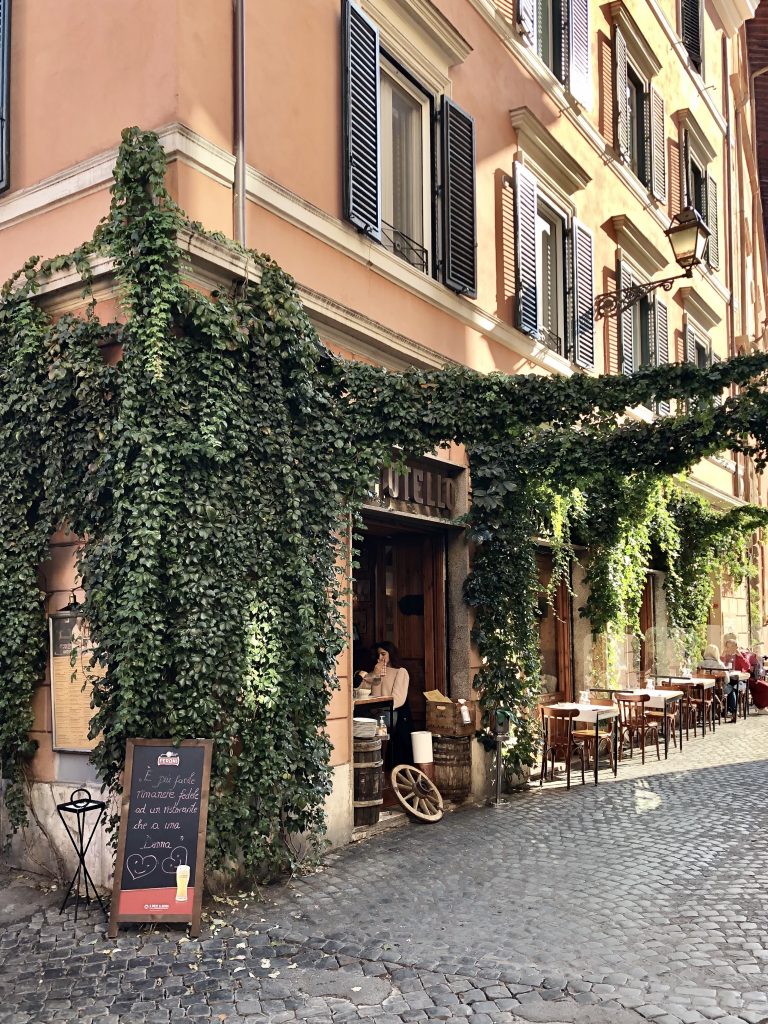
Trastevere
Trastevere combines cobbled lanes, ochre buildings, old squares and a dense concentration of restaurants and bars. The quieter hours reveal residential details that disappear when the evening crowds arrive.
The historic centre
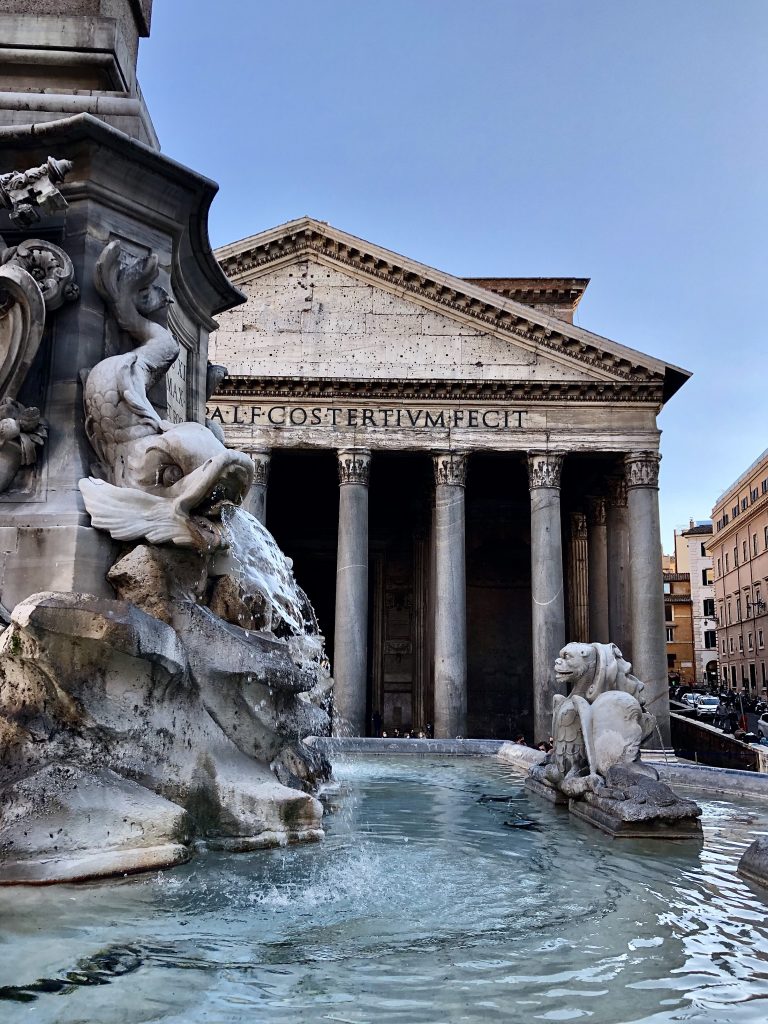
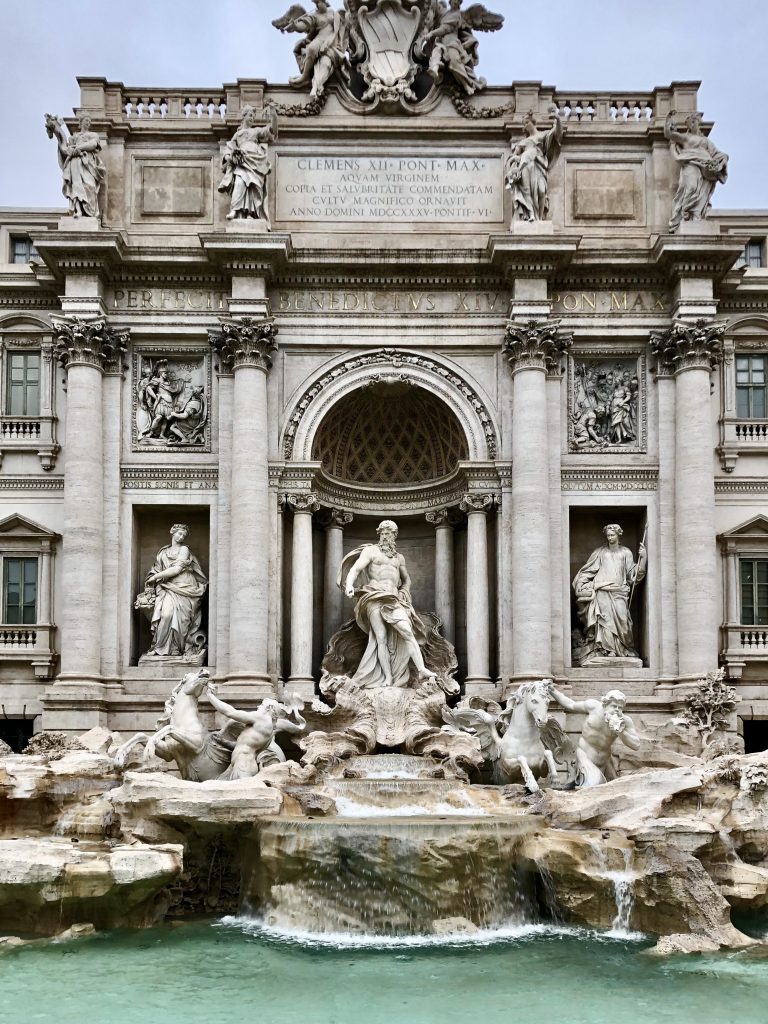
The Pantheon is one of the best-preserved Roman buildings and still functions as a church. Trevi Fountain occupies a much smaller square than photographs suggest, so arrive early and follow current visitor rules.
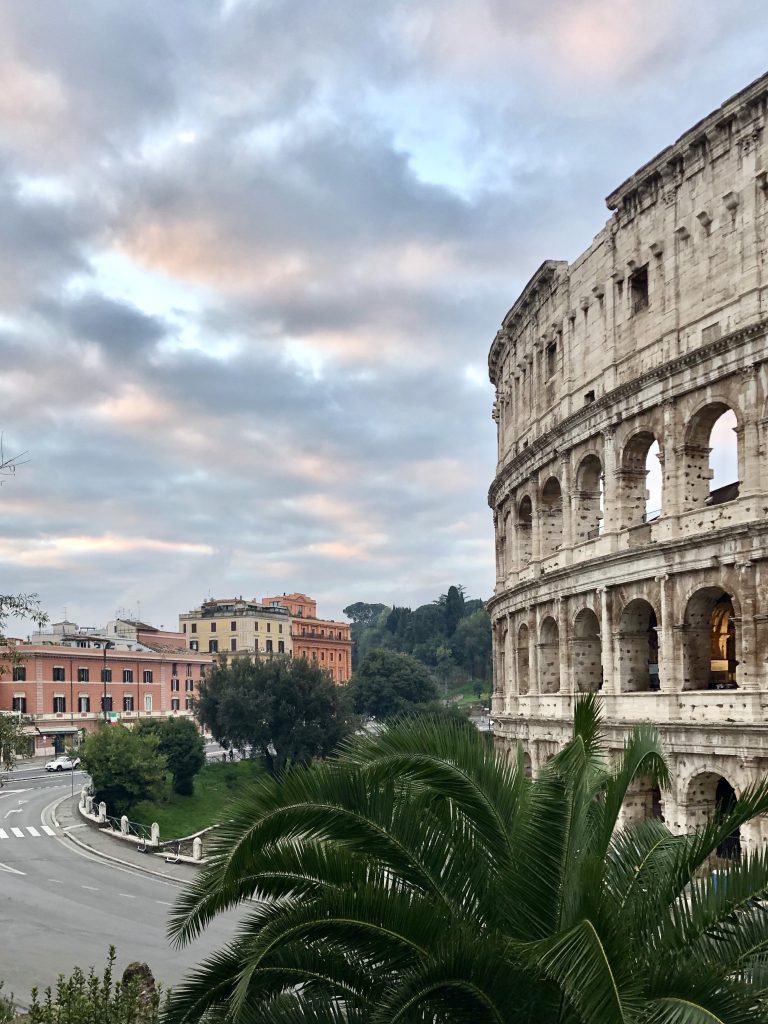
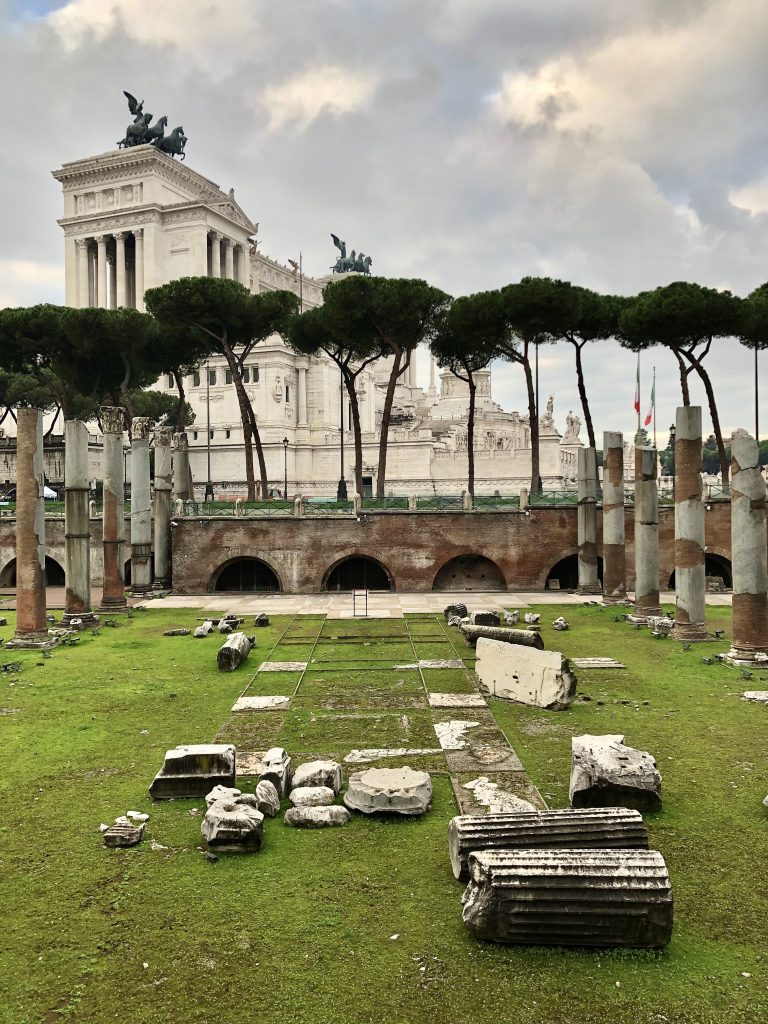
The Colosseum and Roman Forum should be considered together: the amphitheatre introduces the scale of imperial entertainment, while the Forum reveals the political and civic centre of ancient Rome.
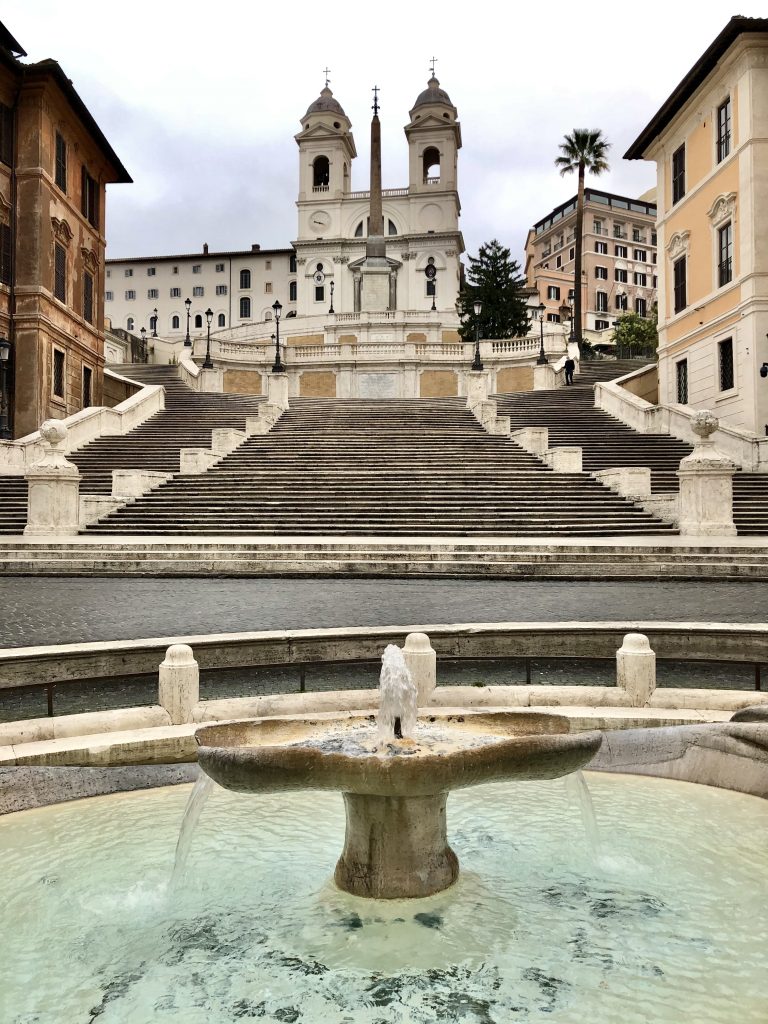
Piazza di Spagna and the Spanish Steps connect the lower streets with the Pincian hill. Sitting on the steps is restricted, so photography should not obstruct movement.
Roman food
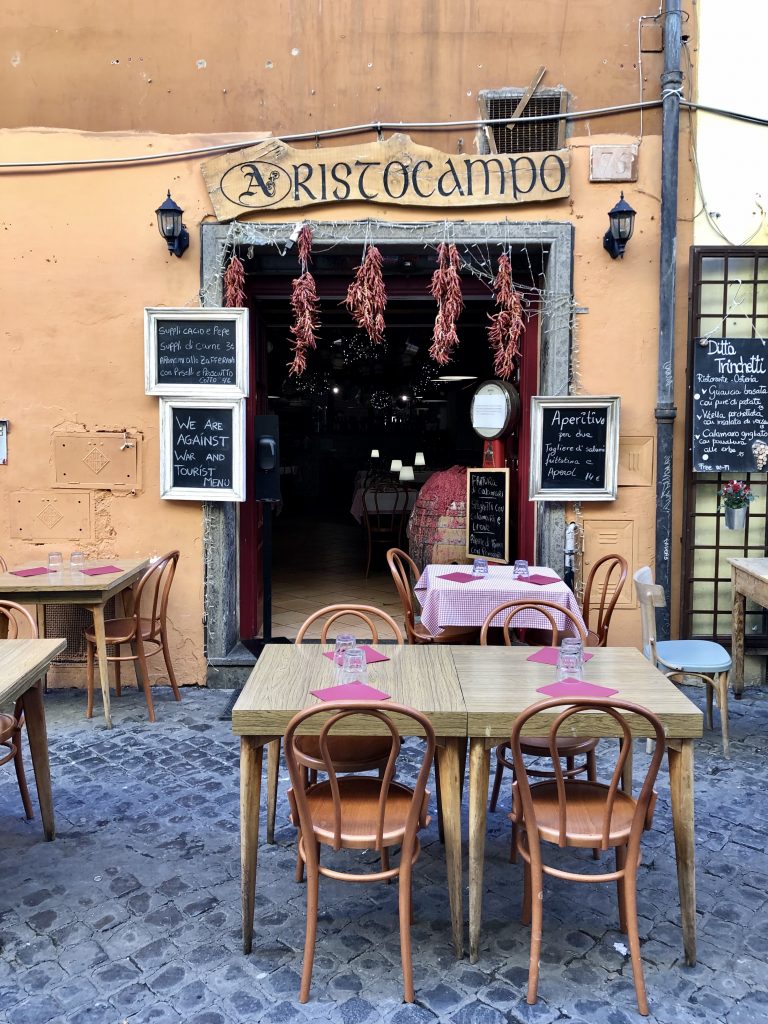
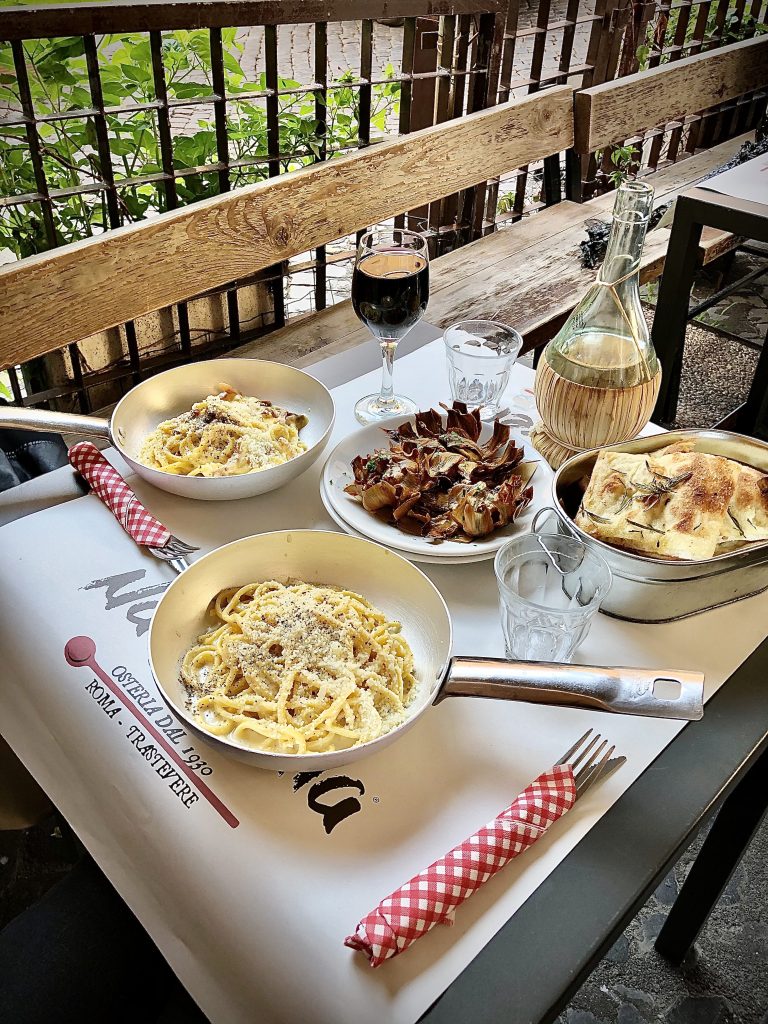
Roman cooking is direct and recognisable: cacio e pepe, carbonara, amatriciana and carciofi alla giudia appear across the city. In Trastevere we stopped at Nannarella, one of many busy trattorias in the district.
Reservations and entry arrangements for Rome’s major monuments change frequently; use official websites when planning timed visits.