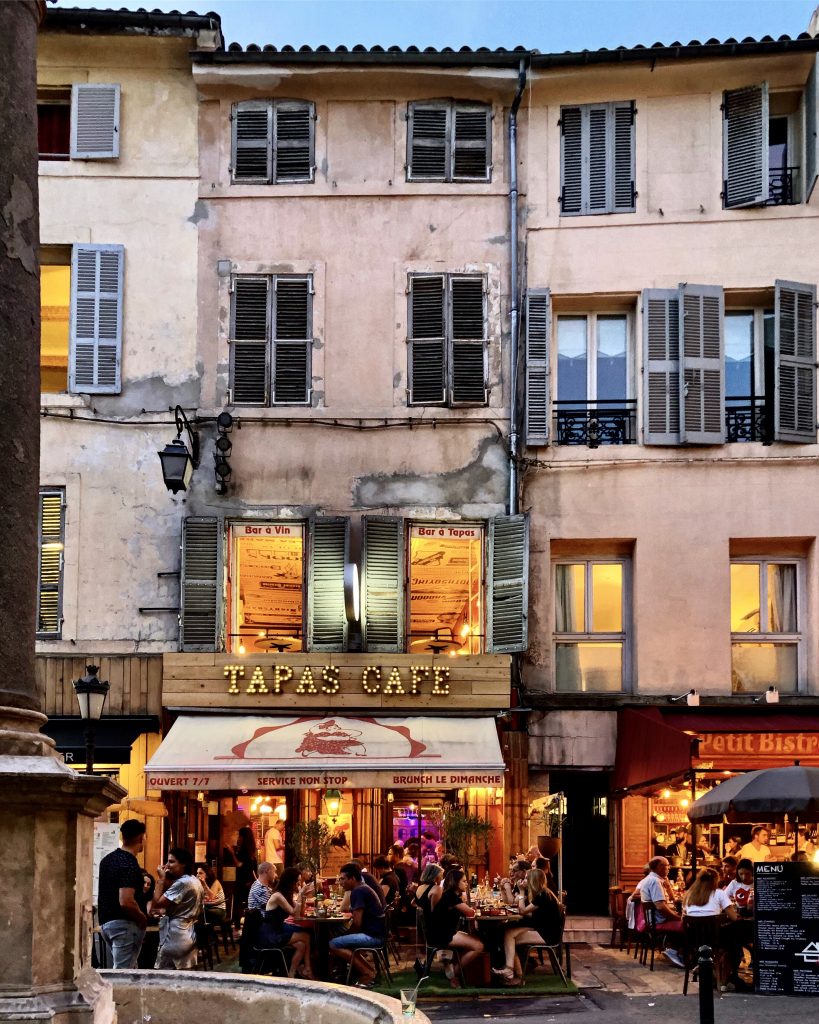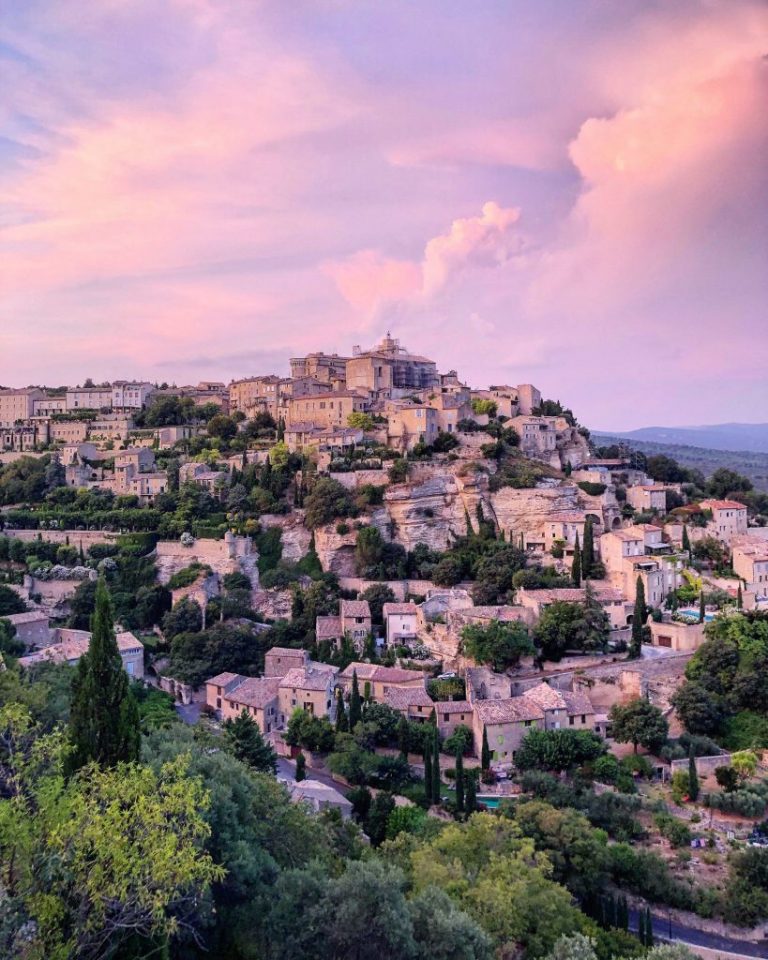
Provence combines Mediterranean cities, inland villages, limestone coast and seasonal lavender fields. A week allows a useful introduction; two weeks provide enough time to reduce daily driving and include the Riviera.
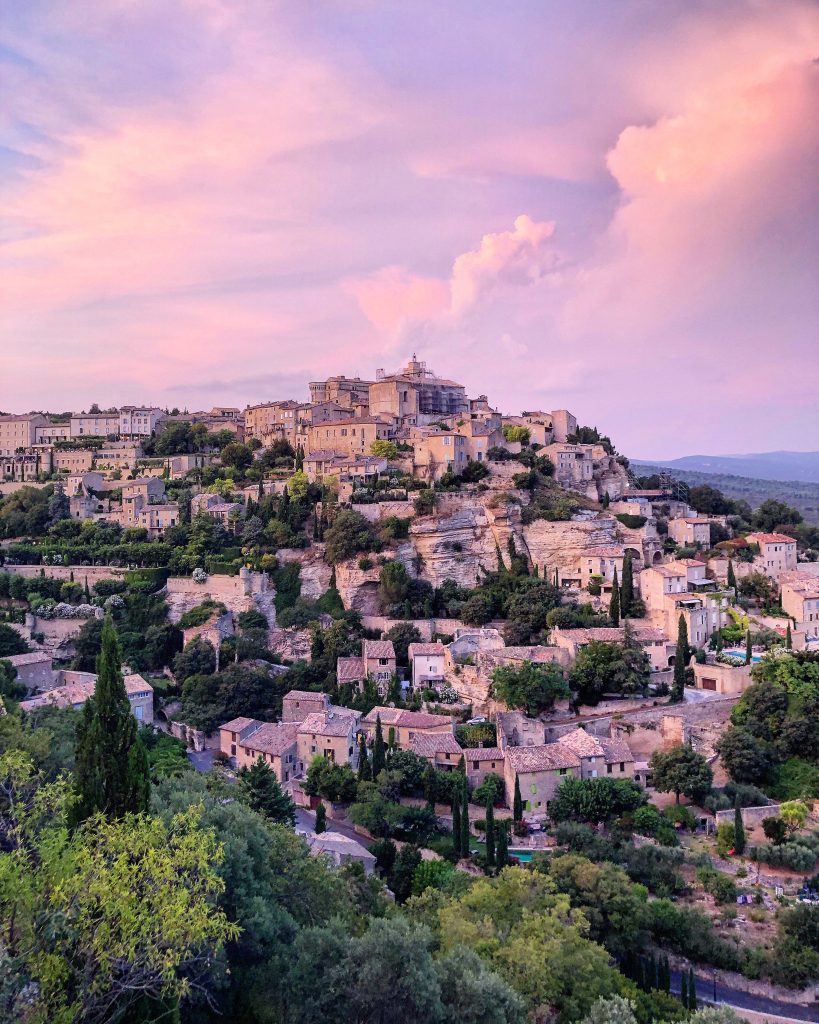
Lavender does not bloom to a fixed calendar, but late June and July are usually the principal period. Conditions vary by altitude and year, so check locally before planning a trip around the fields.
Nice, Marseille and Cassis
Nice is a practical arrival point for the eastern part of the route. Vieux Nice and the Promenade des Anglais connect a compact old centre with the sea.
Marseille has a stronger port identity. The Vieux-Port, Notre-Dame de la Garde and neighbourhoods around the centre introduce the city; the Calanques between Marseille and Cassis require separate planning because access is regulated during periods of heat and fire risk.
Cassis remains a working harbour as well as a popular base for the Calanques. Pastel façades surround the port beneath limestone hills.
Gordes, Sénanque and Roussillon
Gordes rises above the Luberon around a castle and steep stone streets. Nearby, the Romanesque Abbaye Notre-Dame de Sénanque is still home to a monastic community; visits and photography must respect access rules and private agricultural areas.
Roussillon is defined by ochre pigments in both the surrounding soil and village façades. The Sentier des Ocres provides an accessible marked route; Colorado Provençal offers a larger former quarry landscape nearby.
Aix-en-Provence and the Riviera
Aix-en-Provence centres on Cours Mirabeau and a dense old town of cafés, markets and small squares. It is a useful base between Marseille and the inland villages.
East of Nice, Monaco can be combined with Èze, Menton, Antibes, Cannes or Villefranche-sur-Mer, although choosing only two or three makes a more balanced day.