A central base
Haystack Hostel was my first hostel stay and proved to be a practical, affordable base between Edinburgh’s Old and New Towns. The rooms ranged from smaller shared dormitories to larger mixed and female-only options, while breakfast and access to public transport helped keep the trip within budget.
What to see in Edinburgh
Edinburgh’s main sights can be connected largely on foot. The Royal Mile runs through the Old Town towards Edinburgh Castle, with narrow closes and courtyards opening from the main street. The castle is one of the city’s busiest attractions, so booking ahead and arriving early can make the visit easier.
Calton Hill requires only a short climb and gives a broad view over the rooftops, the Firth of Forth and Arthur’s Seat. Sunrise and sunset bring the most interesting light, although the hill can be windy at any time of day.
Dean Village feels markedly quieter. Stone houses, cobbled lanes and the Water of Leith create a residential landscape quite different from the Old Town. From here, the riverside path offers a pleasant continuation away from traffic.
The National Museum of Scotland brings together history, science, technology, art and natural history and is a useful indoor option in poor weather. The Scott Monument, dedicated to Sir Walter Scott, dominates Princes Street Gardens, while the nearby shopping street marks the transition into the New Town.
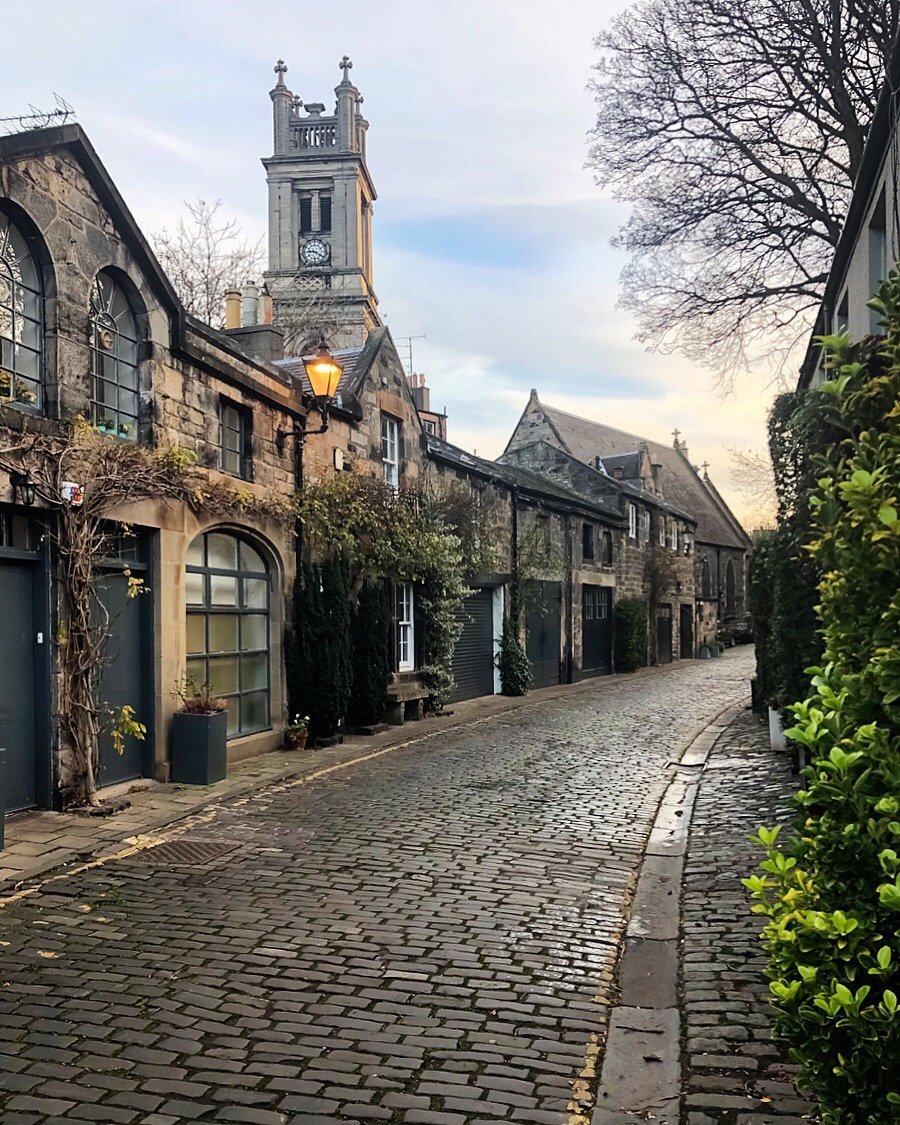
Other short stops include the statue of Greyfriars Bobby and Victoria Street, whose curved row of colourful shopfronts has become one of the Old Town’s most photographed views. Circus Lane, in Stockbridge, offers another compact walk among stone cottages, plants and small gardens.
Three days give enough time to see the principal areas without rushing every hour. Edinburgh’s appeal lies less in a single monument than in the relationship between its dark stone architecture, steep streets, green spaces and changing northern light.