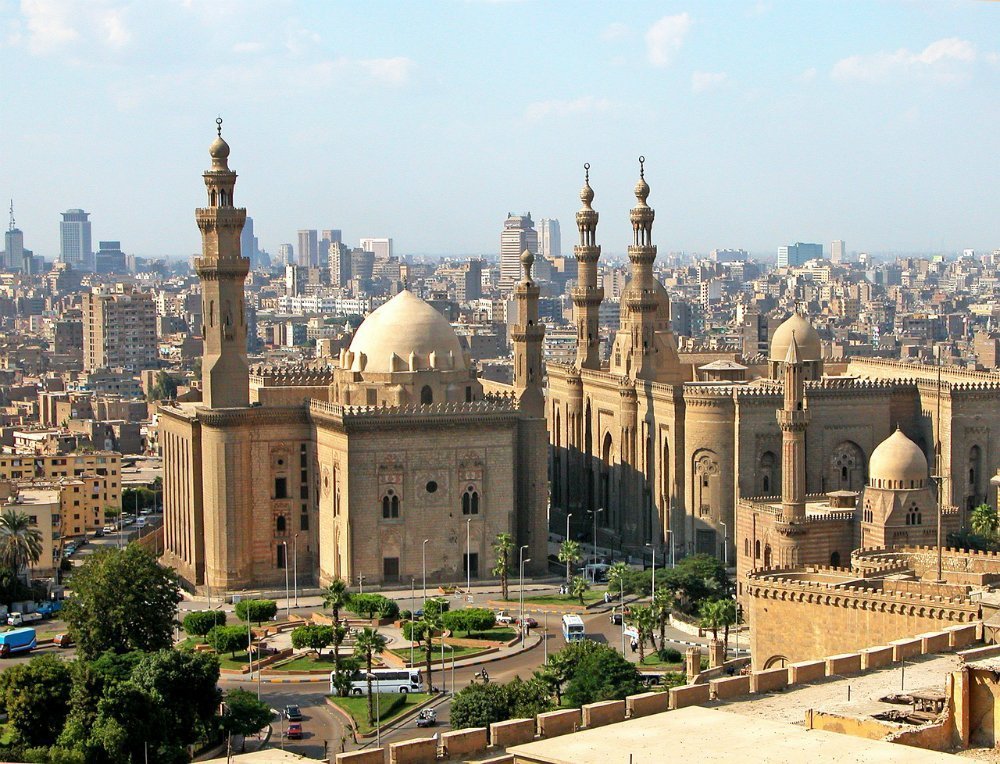
The southern Mediterranean offers very different kinds of travel within the same broad region. Cyprus combines a relaxed coastline with layers of history, while Egypt brings together major archaeological sites, cities, desert landscapes and the Red Sea.
The southern coast of Cyprus
Cyprus has a long season of mild weather, making its southern coast appealing beyond the summer months. Limassol is a practical base, with a developed waterfront, restaurants, bars and access to historical sites.
The city reflects successive periods of rule and exchange, from ancient and Byzantine remains to Ottoman and British influences. That complexity is visible in its architecture as well as in the food and daily rhythm of the city.
A stay near the sea suits travellers who want to combine time on the coast with museums, historic neighbourhoods and evenings in the city. Limassol is active rather than secluded, so it works particularly well for those who prefer a destination with a broad choice of places to eat and go out.
Egypt: cities, desert and the Red Sea
Egypt requires a different pace. Cairo and Giza introduce the country’s scale and archaeological heritage; Luxor and Aswan provide access to temples, tombs and the Nile; Alexandria looks towards the Mediterranean; and the Red Sea coast offers diving and time by the water.
Trying to include everything in one trip can make the itinerary rushed. It is often better to choose one clear focus: Cairo and the ancient sites, a Nile route through Upper Egypt or a coastal stay with a few cultural excursions.
The Red Sea is especially attractive for snorkelling and diving, while desert excursions reveal another side of the landscape. Check current local advice and conditions before arranging activities, particularly when travelling between regions.
Cyprus and Egypt share Mediterranean light and a long history of exchange, but the travel experience is very different. The first lends itself to an easy coastal break; the second rewards careful planning and a more focused itinerary.