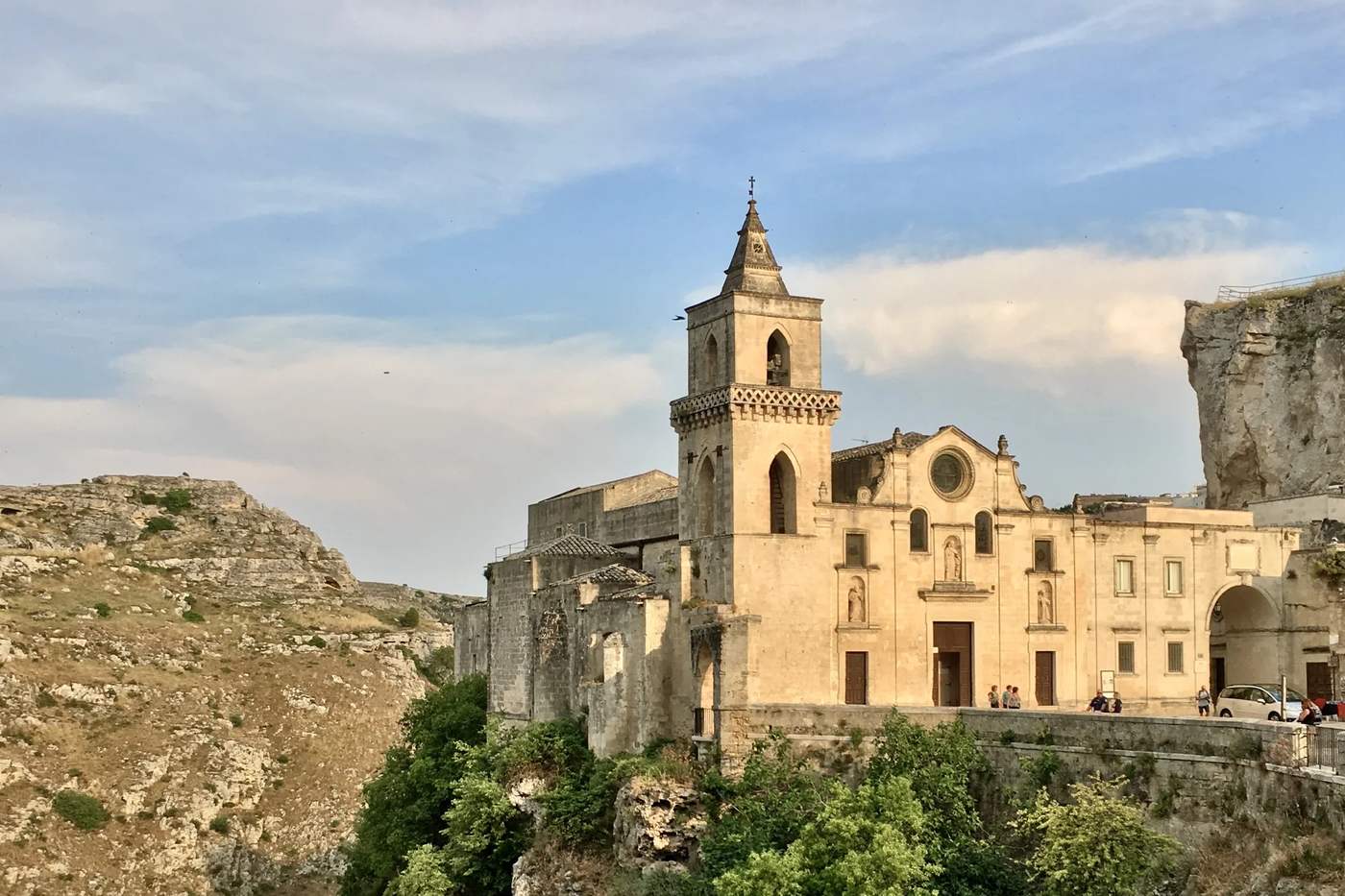
Matera is built across a limestone ravine in Basilicata. Its Sassi districts combine caves, stone houses, churches, terraces and passages developed over many centuries. After severe overcrowding and forced relocation in the twentieth century, restoration gradually returned residents and new uses to the area. The Sassi and the Park of the Rupestrian Churches have been on UNESCO’s World Heritage List since 1993.
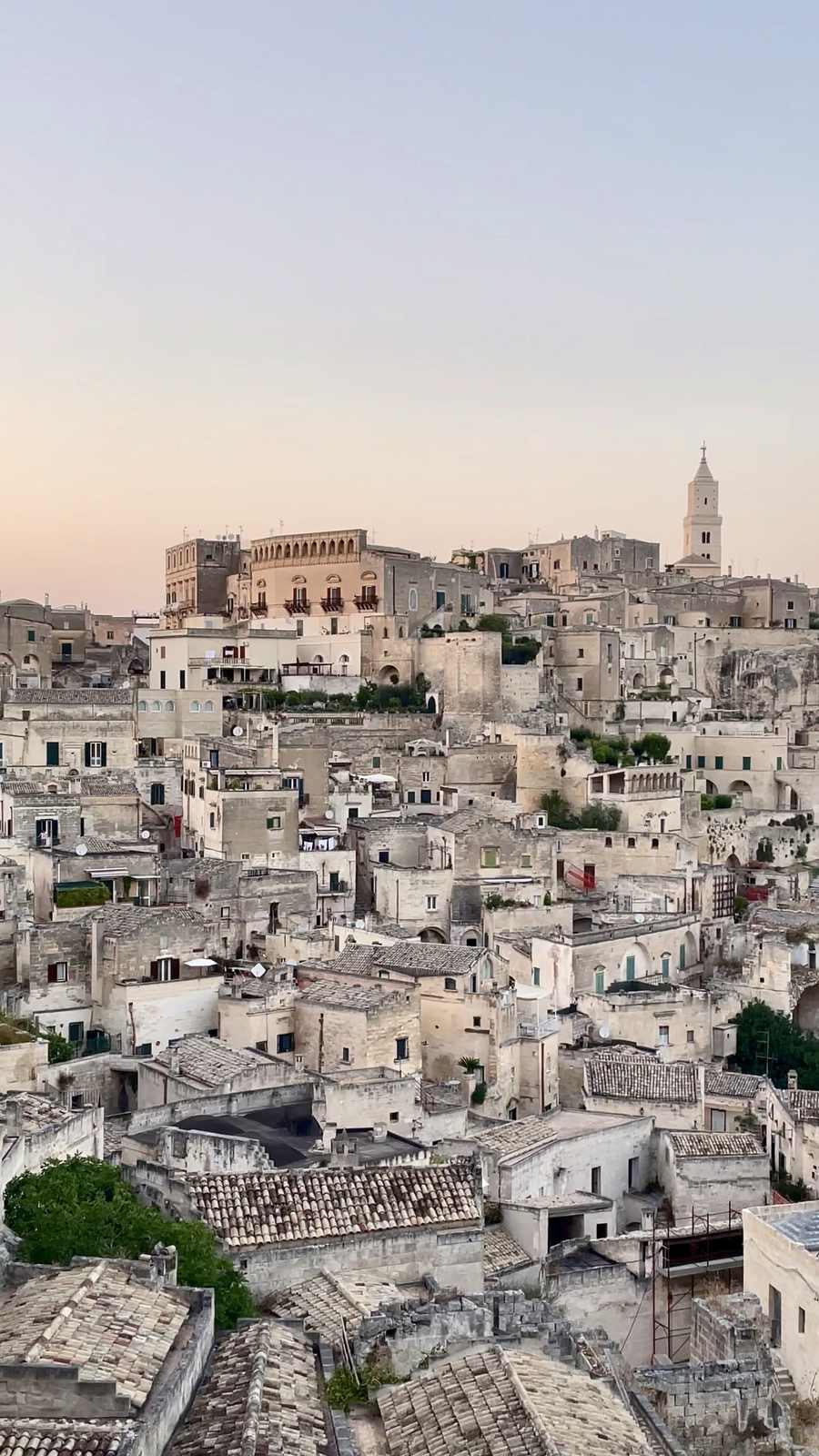
Sasso Barisano and Sasso Caveoso
Sasso Barisano contains many restored restaurants, workshops and hotels. Sasso Caveoso preserves a more visibly rock-cut structure. Walking between them reveals how roofs become streets and façades conceal rooms extending into the stone.
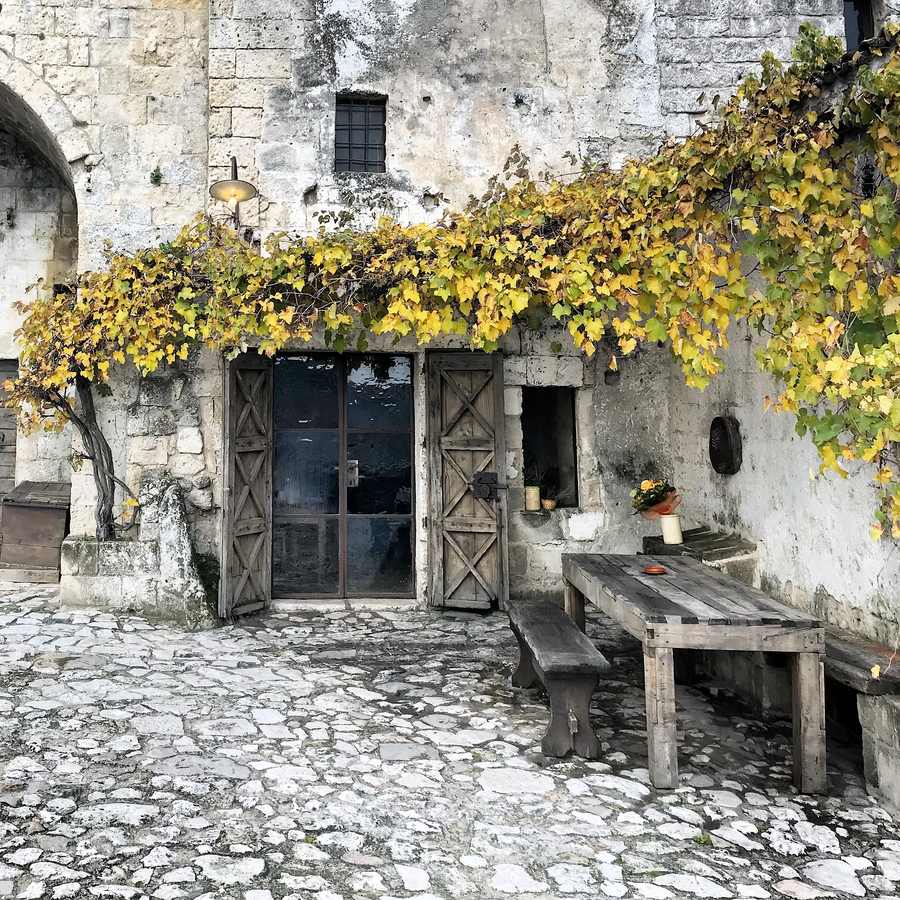
Sextantio Le Grotte della Civita
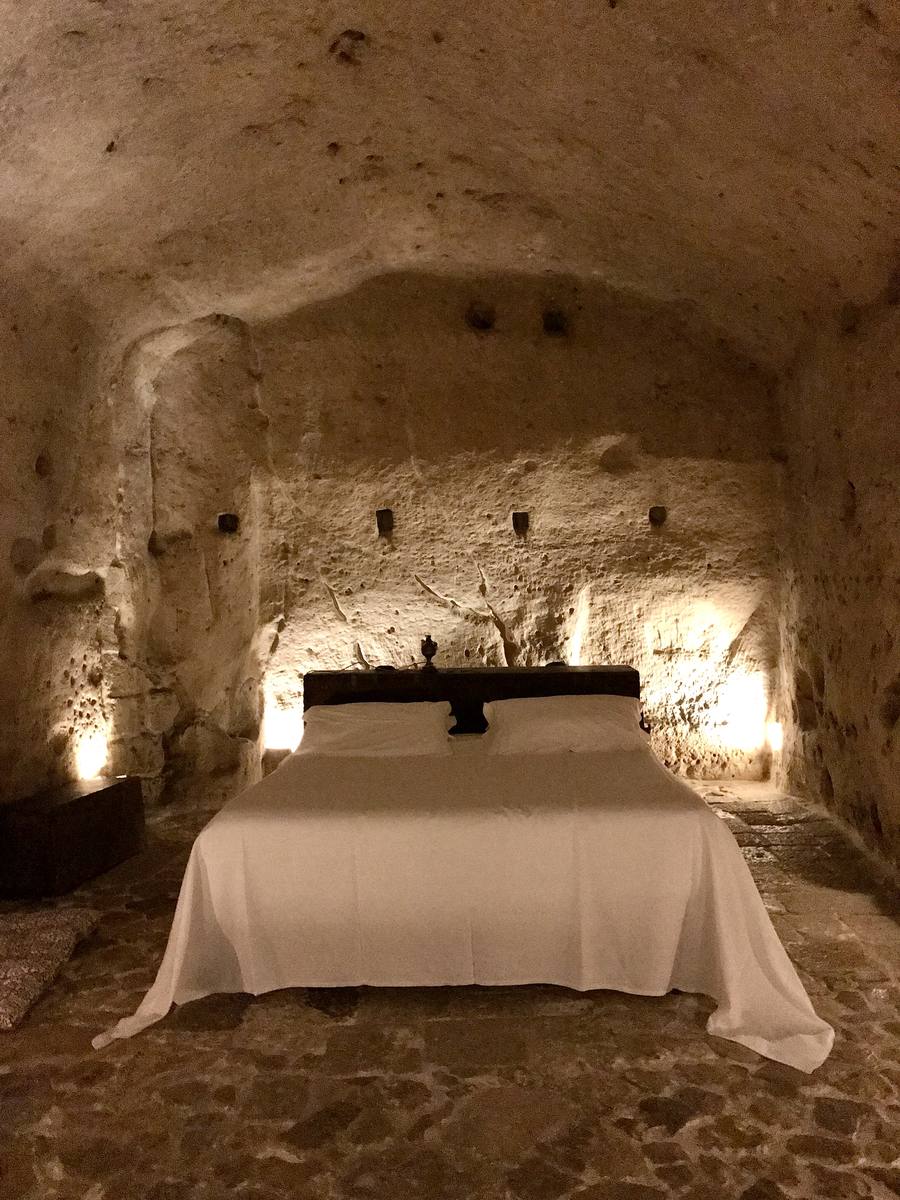
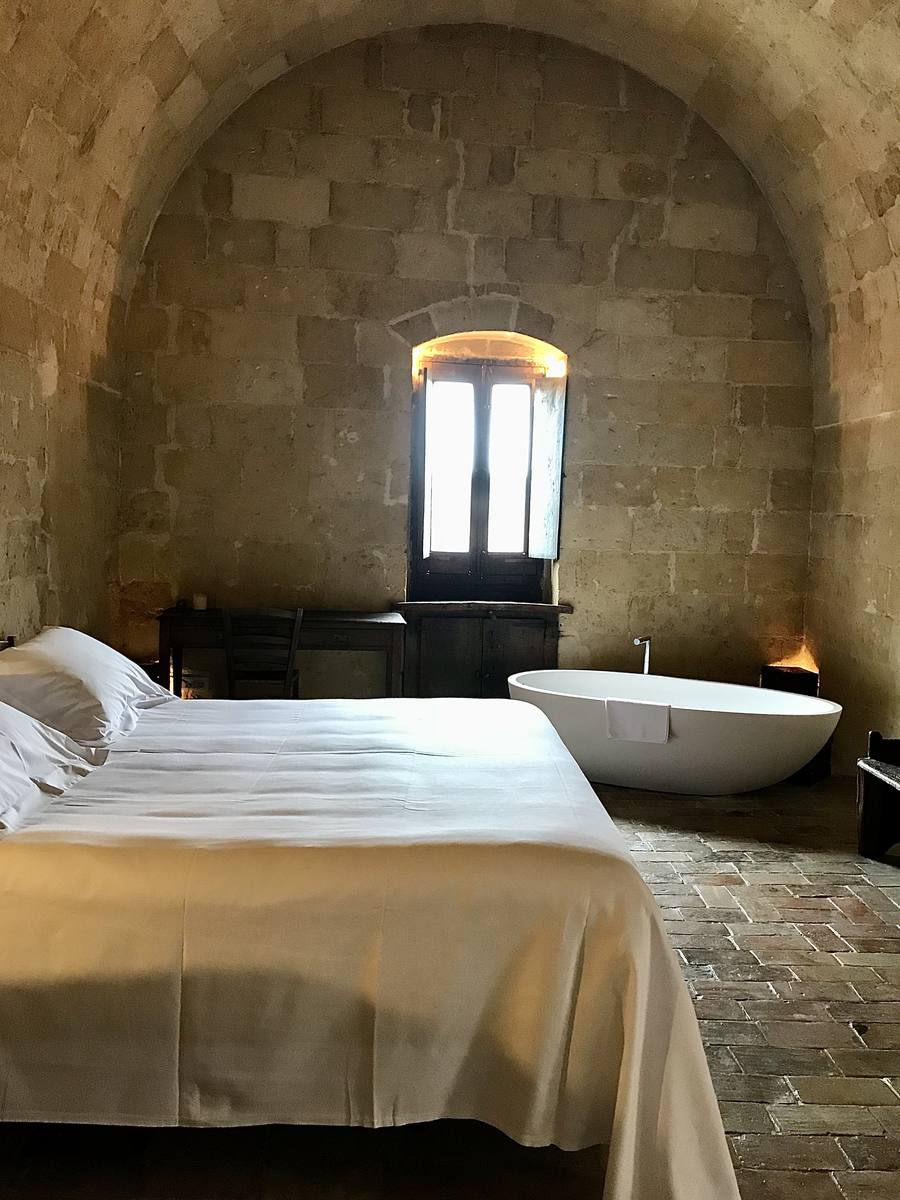
Sextantio Le Grotte della Civita occupies restored cave rooms overlooking the Murgia. The design uses restrained lighting, recycled materials and freestanding baths without concealing the original surfaces.
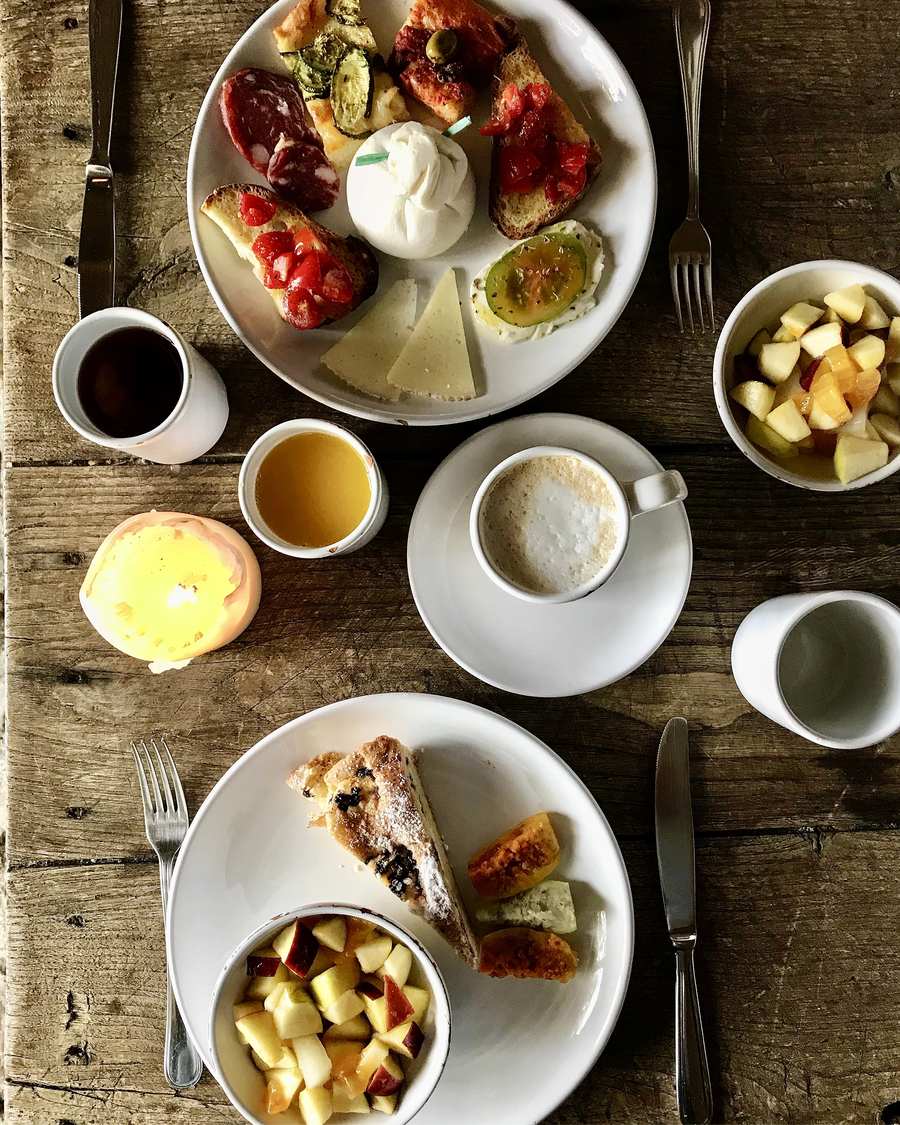
Breakfast is served in a deconsecrated rock church. Bread, focaccia, fruit, cheese, cured meat and cakes are arranged in a room lit by candles and a fireplace.
The stay was hosted by Sextantio Le Grotte della Civita. The account and opinions remain my own.